OCT Exams in Colorado Springs

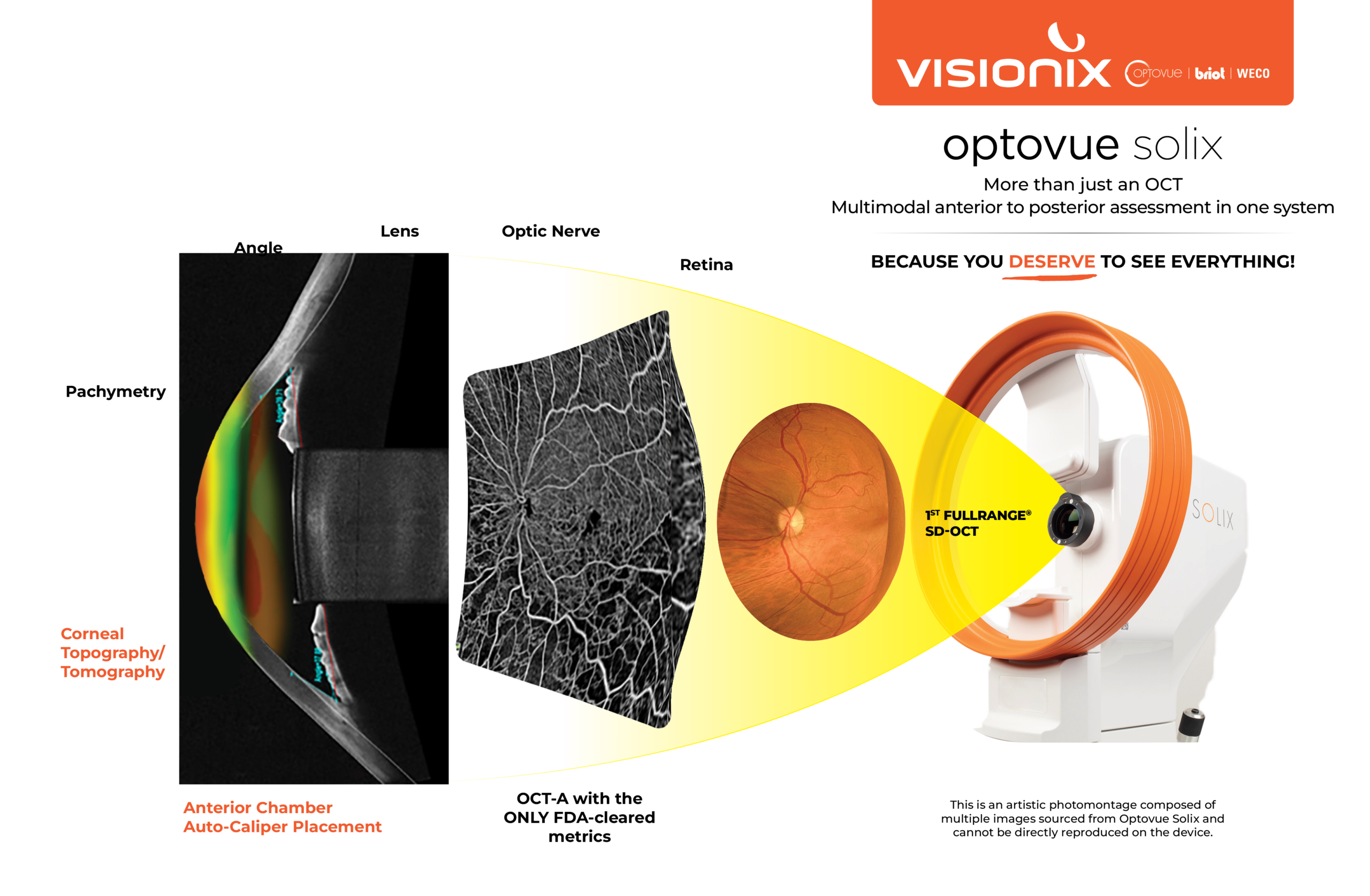
Optical Coherence Tomography (OCT) is an advanced, non-invasive imaging technology used to detect and monitor eye diseases at their earliest stages. At Spectrum Eye Care, OCT allows us to see detailed cross-sectional images of the retina, macula, and optic nerve—often revealing changes long before symptoms appear. This technology plays a critical role in protecting long-term vision by supporting early diagnosis, precise monitoring, and personalized treatment planning.
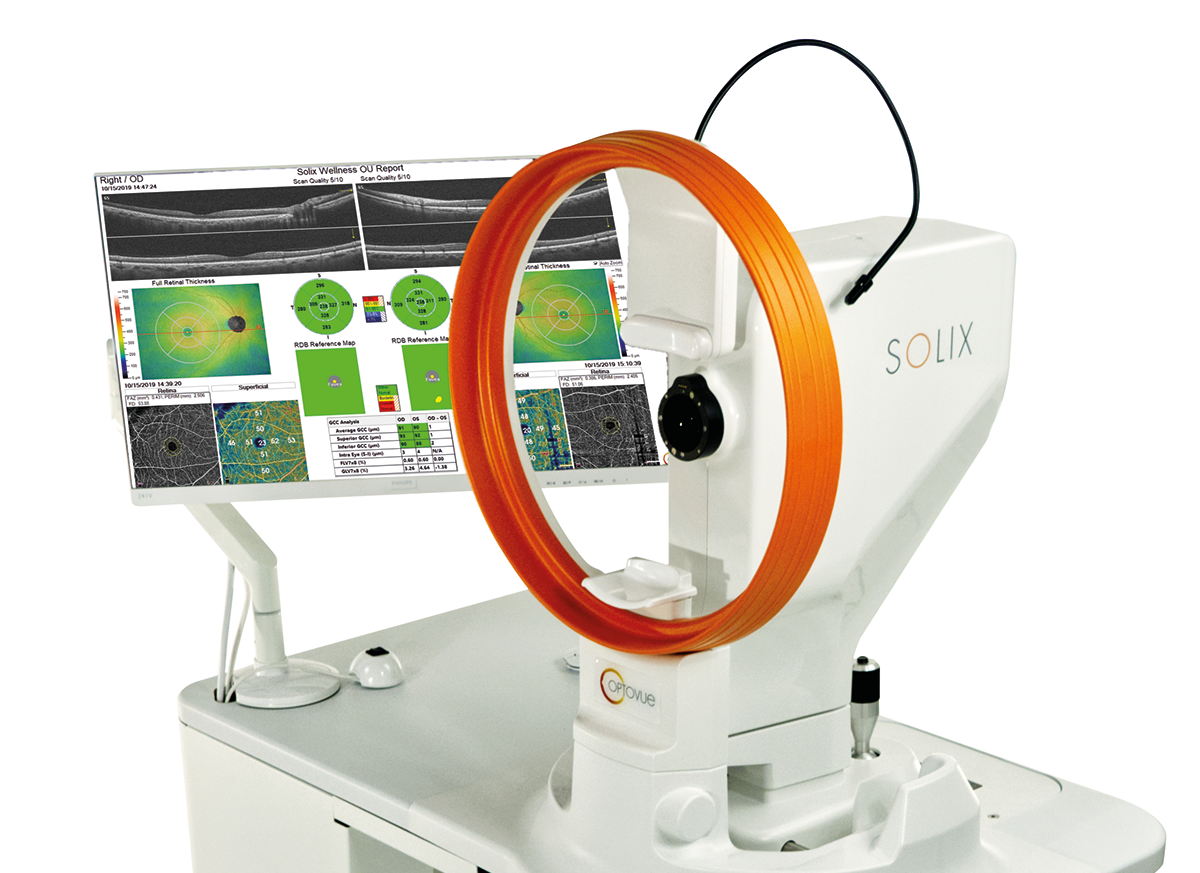
A Solix eye imaging device with an orange ring is positioned next to a monitor displaying eye scan results and diagnostic data.
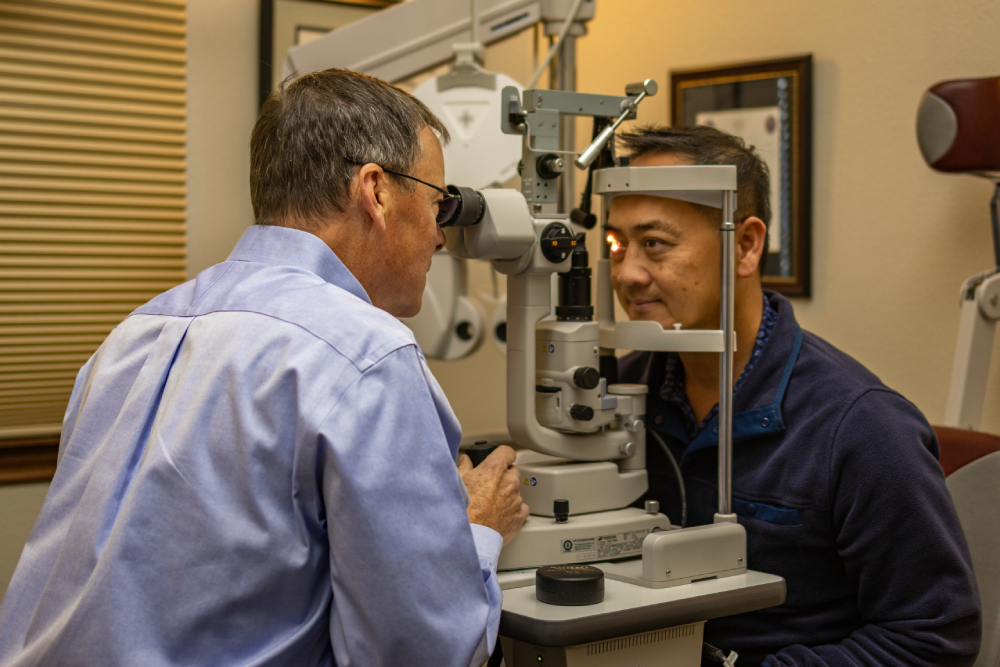
An eye doctor examines a patient's eyes using a slit lamp in an optometrist's office.

Why OCT Is Important for Eye Health

OCT provides a level of detail that traditional eye exams cannot. It helps our doctors:

  • Detect eye diseases early, often before vision is affected

  • Monitor progression of chronic conditions over time

  • Evaluate how well treatments are working

  • Make confident, data-driven clinical decisions

Depending on the results of your eye exam, we may have you return for OCT so we can take a proactive approach to preserving your vision.

What OCT Evaluates

OCT focuses on key structures inside the eye:

  • Retina – Detects thinning, swelling, or fluid linked to retinal disease

  • Macula – Identifies early signs of macular degeneration and diabetic macular edema

  • Optic Nerve – Measures nerve fiber health critical for glaucoma detection

Color-coded, high-resolution images allow subtle changes to be tracked accurately over time.
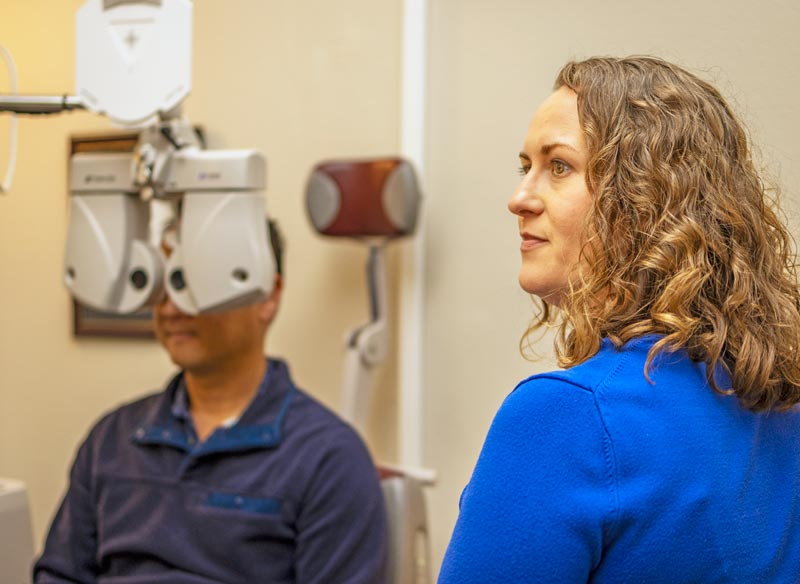
A woman in a blue shirt stands beside a seated man undergoing an eye exam with a phoropter in an optometrist's office.
Diagram showing an eye exam process: anterior chamber topography, optic nerve imaging, and retina imaging, using the Visionix Optovue Solix SD-OCT device.
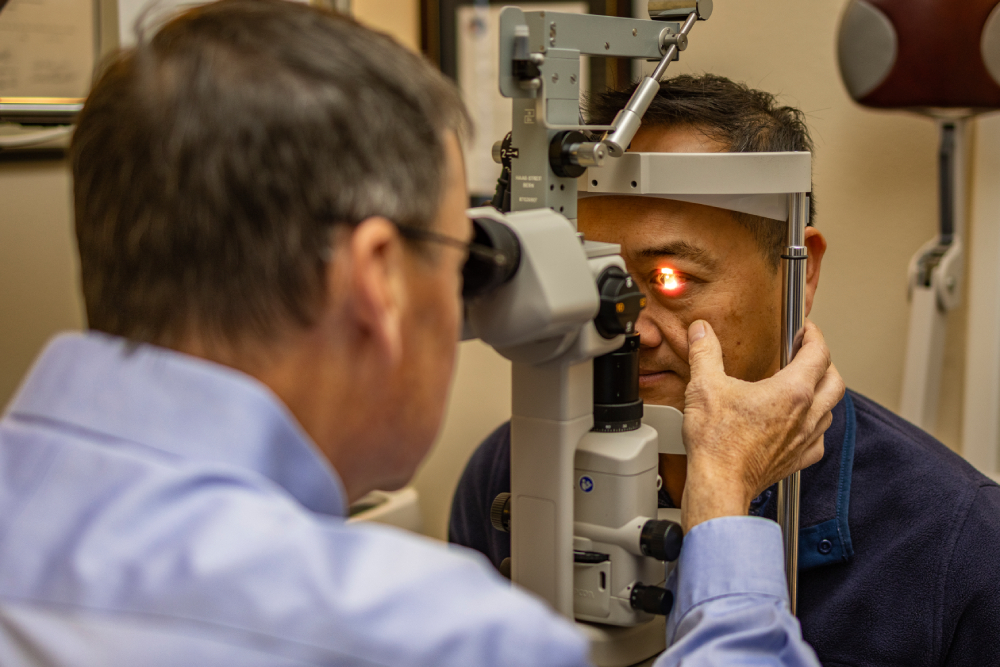
An eye doctor performs an eye exam on a patient using a slit lamp, shining a bright light into the patient's eye.

Conditions Commonly Detected with OCT

OCT is especially valuable in diagnosing and managing:

  • Glaucoma

  • Macular degeneration

  • Diabetic retinopathy and macular edema

  • Optic nerve damage

  • Vitreomacular traction and epiretinal membranes

These conditions often develop gradually, making OCT an essential tool for early intervention.

What to Expect During an OCT Scan

An OCT scan is quick, painless, and non-invasive:

  • No contact with the eye

  • No discomfort or downtime

  • Typically completed in 5–10 minutes per eye

You’ll simply rest your chin on the device and focus on a target while images are captured. Results are available immediately and reviewed by your doctor.
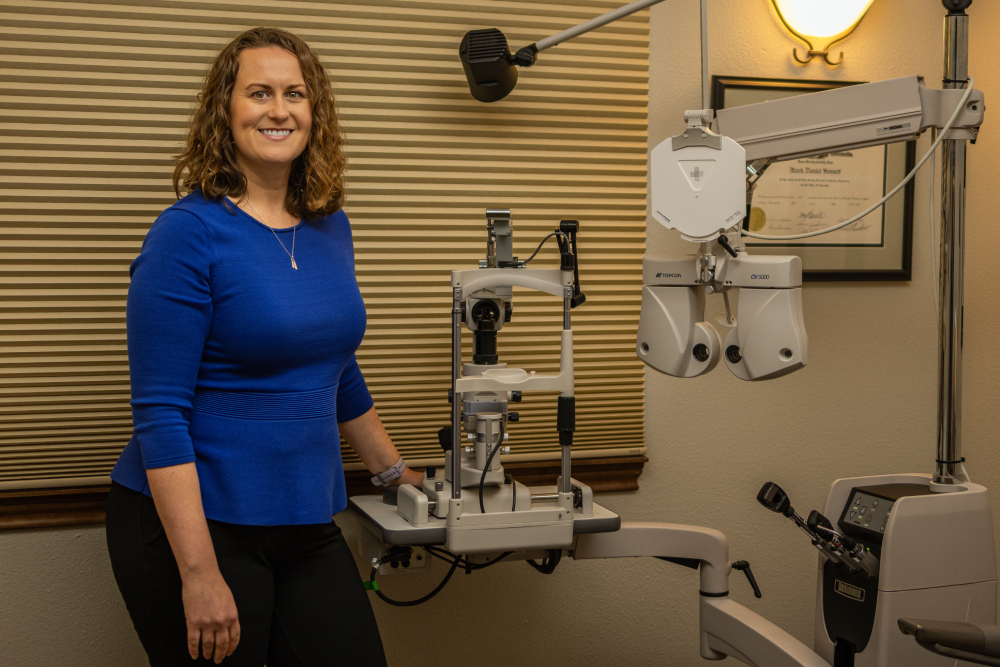
A woman stands next to ophthalmology examination equipment in a well-lit office, with framed certificates on the wall behind her.

Advanced Technology at Spectrum Eye Care

Spectrum Eye Care uses modern OCT technology to deliver high-resolution imaging and reliable results. These scans are often combined with other diagnostic tools to provide a complete picture of your eye health, all in one visit.
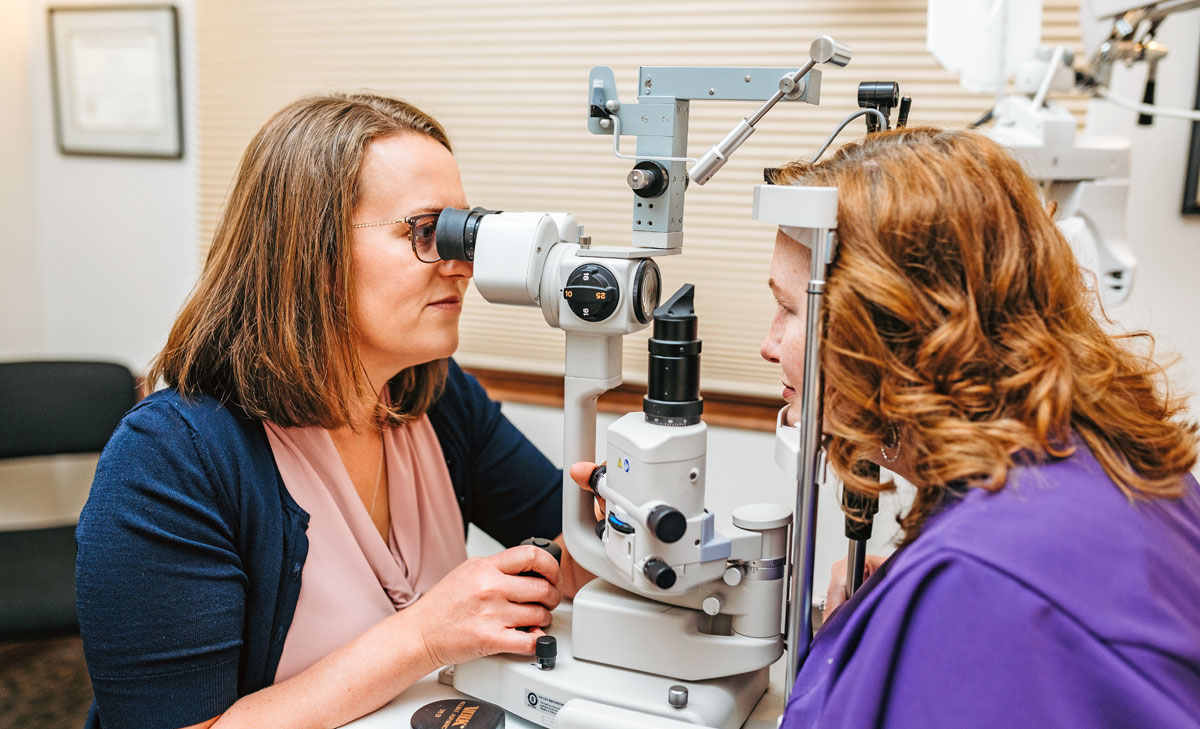
Two women sit facing each other as one conducts an eye examination using a slit lamp instrument in a clinical setting.

Who Should Have an OCT Scan?

OCT is commonly recommended for patients who:

  • Have a family history of eye disease

  • Have diabetes or high blood pressure

  • Are at risk for glaucoma or macular degeneration

  • Require ongoing monitoring of known eye conditions

Regular OCT imaging allows us to detect changes early and adjust care before vision loss occurs.

Insurance & Billing

OCT exams are medical diagnostic tests used to evaluate eye health conditions such as glaucoma, macular degeneration, and diabetic eye disease. These exams are billed to medical insurance, not vision insurance.

Coverage is based on medical necessity, and copays or deductibles may apply. Our team is happy to review insurance questions with you prior to your appointment.

A man in a suit assists another man undergoing an eye exam using specialized equipment in an office setting.
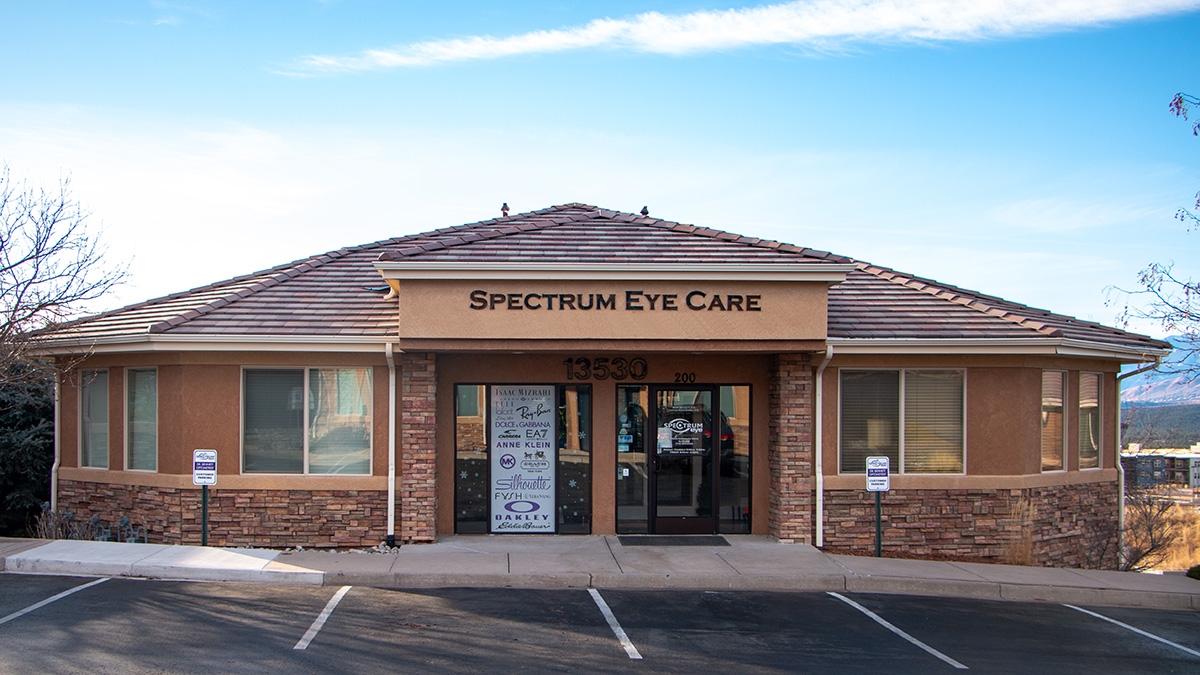
Single-story building with sign reading "Spectrum Eye Care" above the entrance, two large windows, a glass door, and empty parking spaces in front.

Schedule an OCT Scan in Colorado Springs

Spectrum Eye Care schedules follow-up OCT scans based on specific symptoms observed during regular eye exams. Our experienced team uses this technology to support early detection, accurate diagnosis, and long-term vision protection. Our patient-centered eye care center is located in the Northgate area of Colorado Springs.

If you have questions about OCT or would like to schedule an exam, contact Spectrum Eye Care today.