

Myopia Management in Colorado Springs

Myopia (nearsightedness) is a common refractive error where distance vision is blurry while near vision remains clear. In children, myopia often progresses as the eye continues to grow. Progressive myopia is more than an inconvenience—higher levels of myopia are associated with increased lifetime risk for conditions such as retinal detachment, glaucoma, cataracts, and myopic macular degeneration. Early identification and proactive myopia management can slow progression, reduce future risk, and help children see and perform confidently at school and in daily life.

Schedule a Myopia Management Evaluation to assess your child’s vision and create a personalized plan to slow myopia progression.
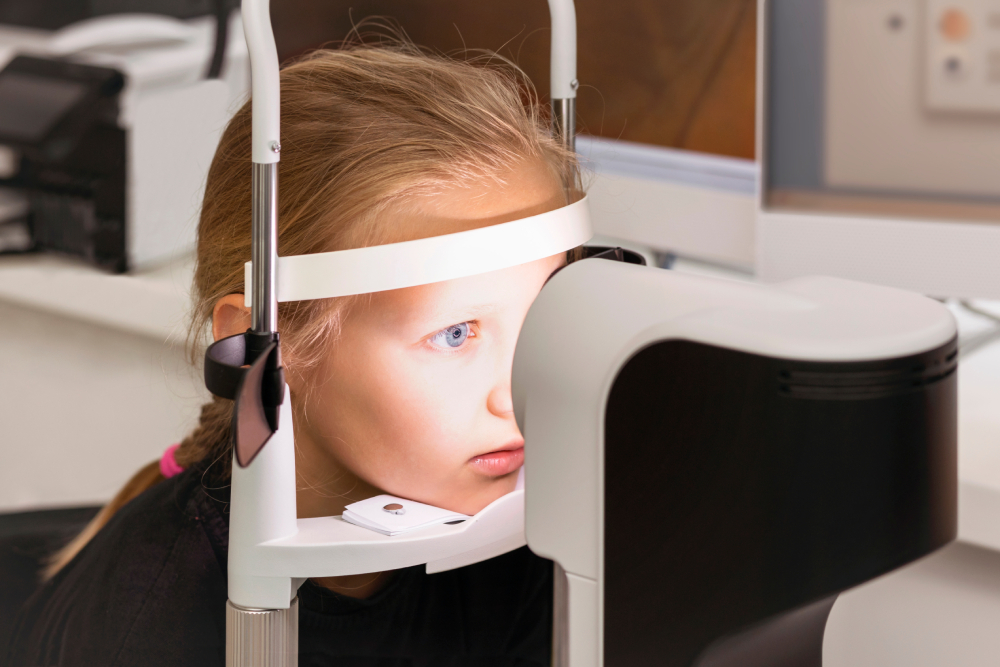
A young girl undergoes an eye examination, looking into a medical device at an optometrist's office.

Understanding Myopia Progression in Children

Myopia typically develops when the eye grows too long (axial elongation) relative to its focusing power. Light focuses in front of the retina instead of directly on it, causing blurred distance vision.

Common signs of myopia in children include:

  • Squinting or moving closer to screens

  • Difficulty seeing the classroom board or street signs

  • Frequent headaches or eye strain

  • Fatigue during reading or screen time

  • Declining school performance due to vision challenges

Routine pediatric eye exams—especially those that monitor both prescription changes and, when available, axial length—help detect and track progression before large prescription increases occur.

Schedule a pediatric eye exam if your child is squinting, sitting closer to screens, or complaining of headaches or blurry distance vision.

Why Managing Myopia Matters

When myopia progresses unchecked, the eye may continue elongating, increasing stress on the retina and other ocular structures. Over time, this can raise the likelihood of:

  • Retinal tears or detachment

  • Glaucoma

  • Earlier cataract development

  • Myopic macular degeneration

Slowing progression during childhood can meaningfully reduce these risks later in life.
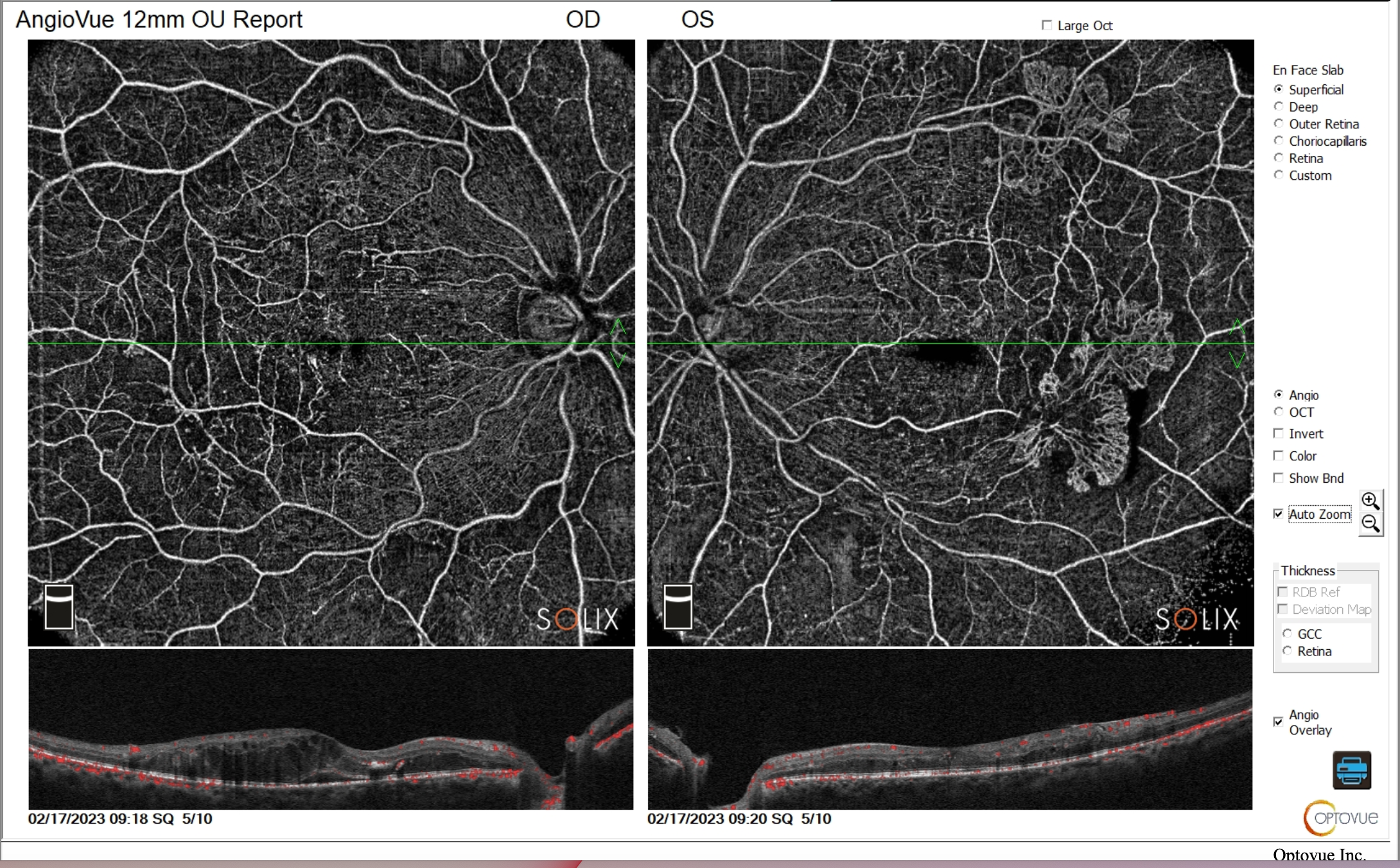
Side-by-side OCT angiography scans show the right (OD) and left (OS) retinas, highlighting blood vessels and cross-sectional retinal layers with labeled parameters.
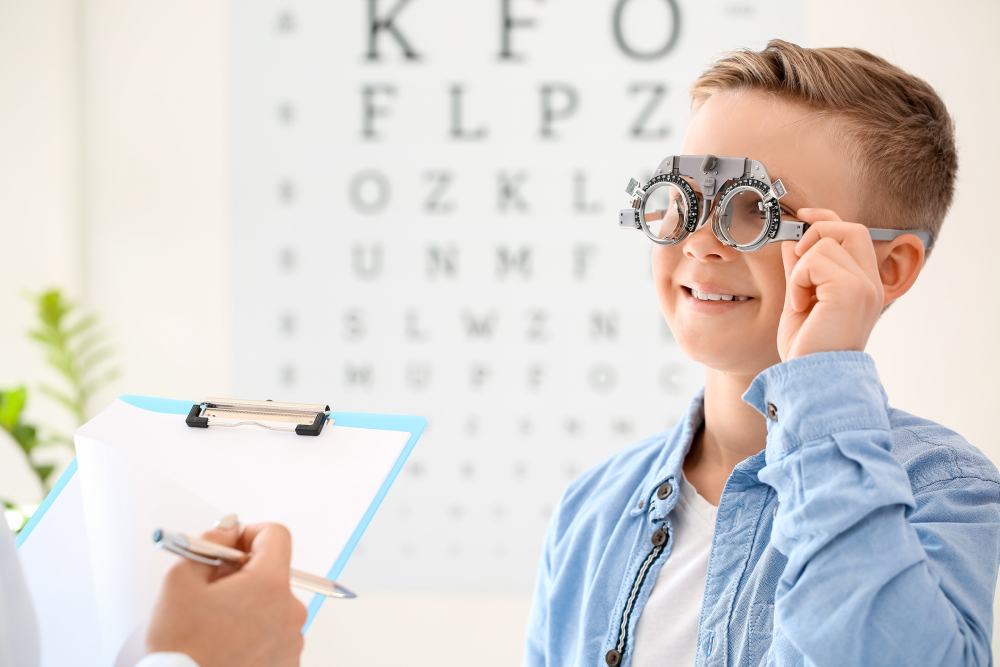
A boy wears a phoropter during an eye exam, smiling at an optometrist who is writing on a clipboard; an eye chart is visible in the background.
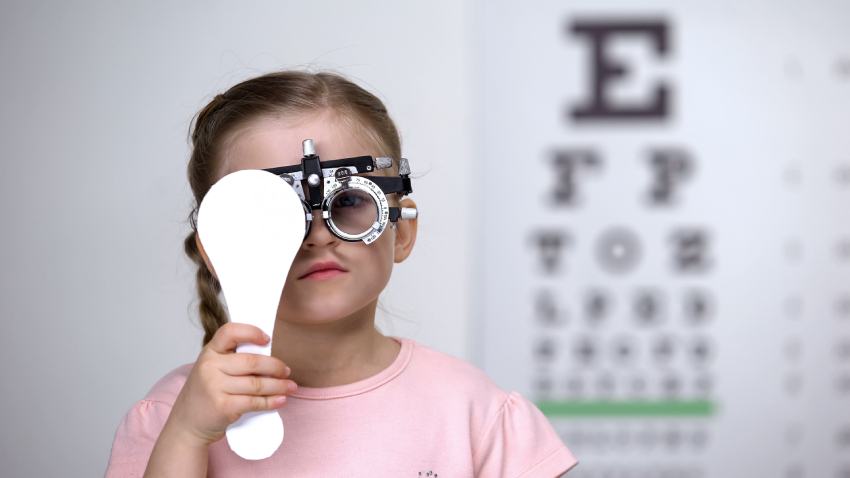
A young girl wears trial frames and covers one eye with a paddle during a vision test, with a blurred eye chart in the background.

What Happens During a Myopia Management Exam

A comprehensive myopia management evaluation typically includes:

  • Detailed vision and refraction testing to determine the prescription

  • Binocular vision assessment (how the eyes work together)

  • Eye health evaluation to rule out other causes of vision changes

  • Myopia progression risk assessment based on age, family history, prescription level, and lifestyle factors

  • Progress tracking plan, often including regular follow-ups every 6–12 months (more frequently when progression is rapid)

Schedule a Myopia Management Evaluation to establish a baseline and track your child’s myopia over time.

Evidence-Based Treatment Options to Slow Myopia Progression

A structured myopia management plan may use one or more of the following approaches, based on your child’s needs and lifestyle:

  • Low-dose atropine eye drops
    Typically used once nightly. Low concentrations can slow progression with minimal impact on daily activities for many children, with appropriate monitoring.

  • Myopia control soft contact lenses (such as MiSight)
    Daily disposable lenses designed specifically for myopia control, combining vision correction with optics intended to slow progression.

  • Myopia control eyeglass lenses (such as Stellest)
    Advanced spectacle lenses designed for children who prefer or require glasses. Stellest lenses use specialized lens technology to slow myopia progression while providing clear, comfortable vision for everyday wear.

  • Orthokeratology (Ortho-K)
    Specialty gas-permeable lenses worn overnight to reshape the cornea temporarily for clear daytime vision. Often appealing for active children who prefer not to wear glasses or contacts during the day. Ask Dr. Maciejewski if this option may be right for you, and she can refer you to an appropriate practitioner.

Your eye doctor will recommend the most appropriate option after evaluating progression rate, maturity, eye health, and family preferences.

Schedule a Myopia Management Consultation to review which treatment options are most appropriate for your child.
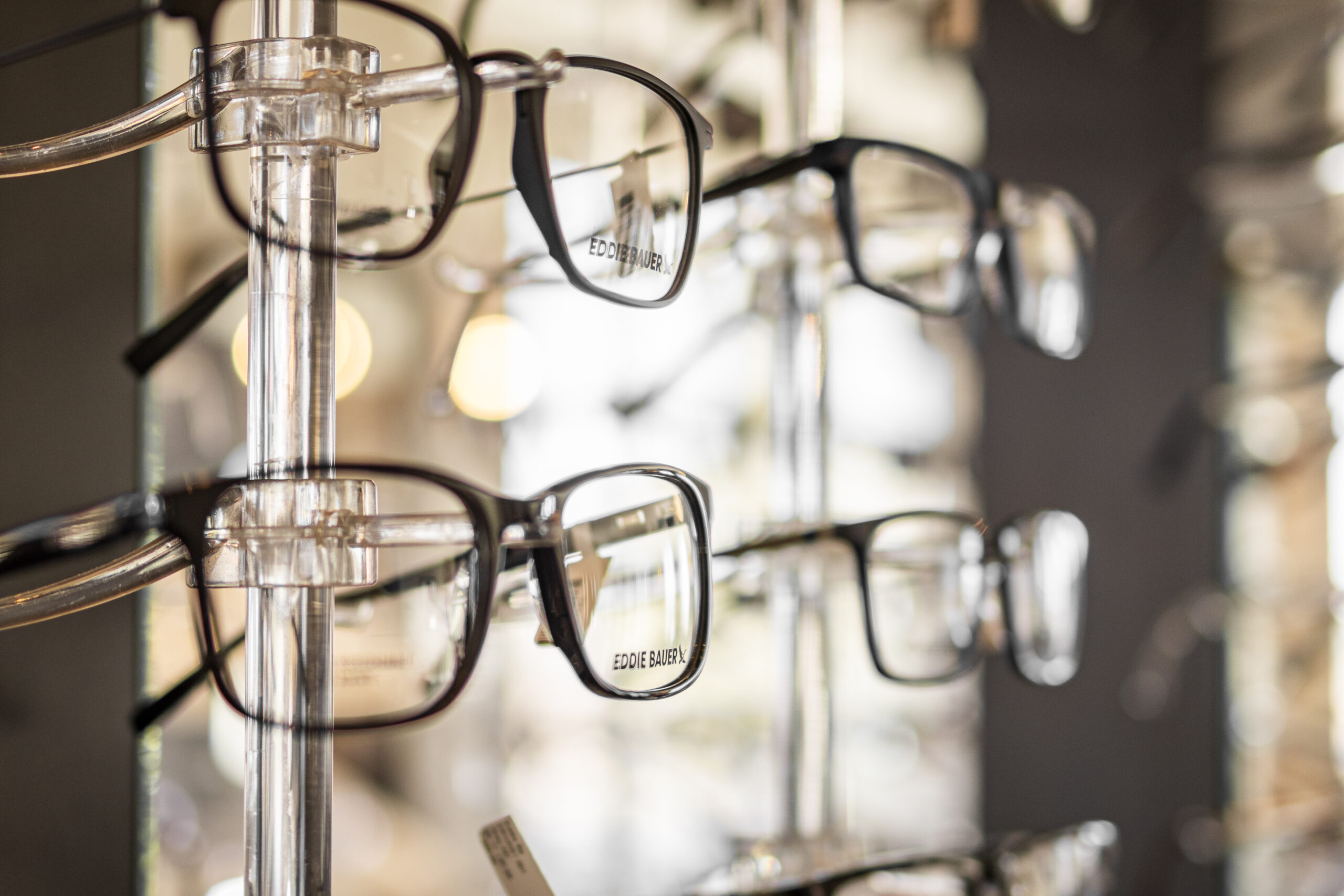
A display rack with several pairs of black eyeglasses, one labeled "Eddie Bauer," arranged in rows in an eyewear store.
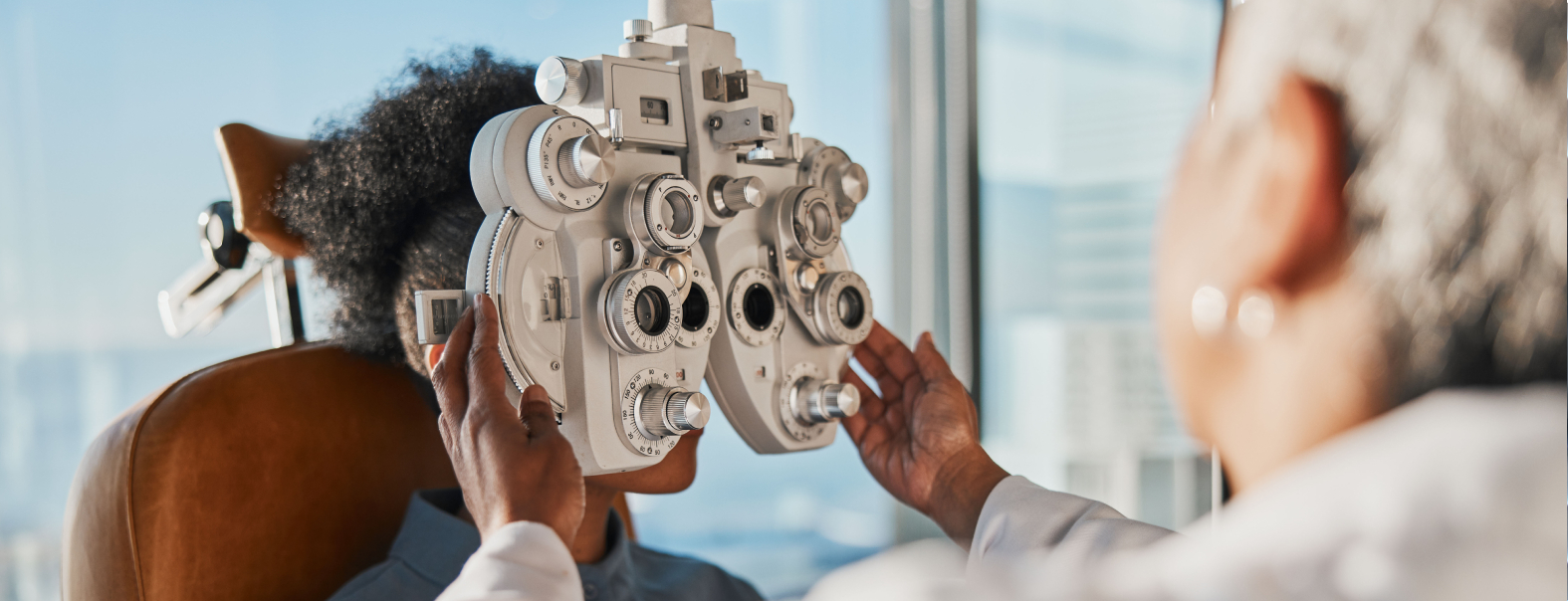
An optometrist conducts an eye exam using a phoropter on a seated patient in a clinic.

Daily Habits That Support Myopia Control

Clinical treatment is most effective when paired with supportive habits at home:

  • Increase outdoor time
    Aim for 1–2 hours outdoors daily when feasible.

  • Manage near work and screen use
    Encourage breaks using the 20-20-20 rule (every 20 minutes, look 20 feet away for 20 seconds).

  • Promote good visual ergonomics
    Good lighting, appropriate reading distance, and limiting long uninterrupted near work.

These changes help reduce visual stress and may support healthier eye growth patterns.

Long-Term Benefits of Early Intervention

Starting myopia management early can:

  • Slow prescription increases

  • Reduce lifetime risk of myopia-related eye disease

  • Improve comfort, reduce headaches, and support school performance

  • Decrease the frequency of new glasses/contacts prescriptions

A myopia management plan is not one-size-fits-all. It should be monitored and adjusted as your child grows.
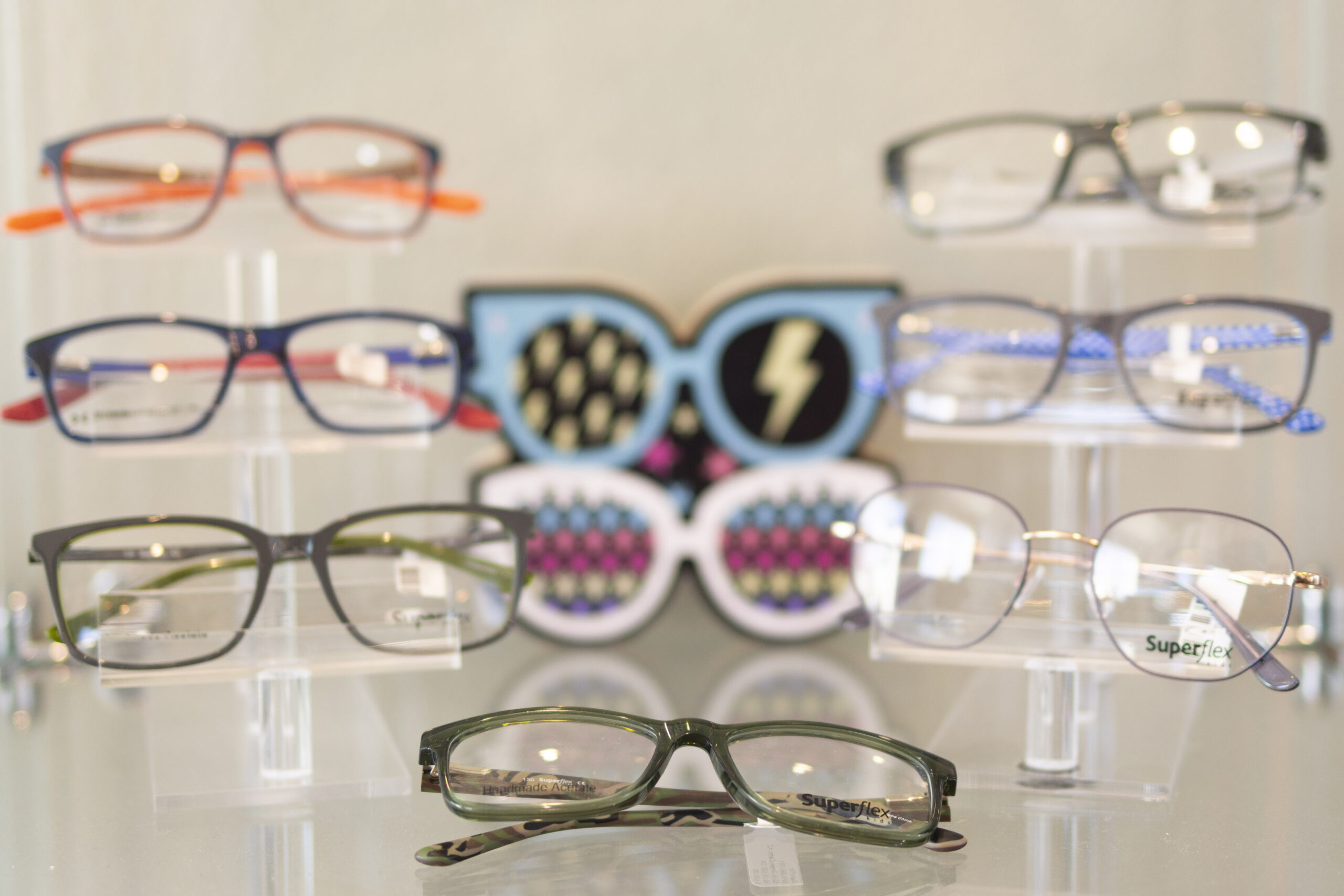
A display of eight pairs of eyeglasses on clear stands, with a decorative graphic of sunglasses and lightning bolt in the background.
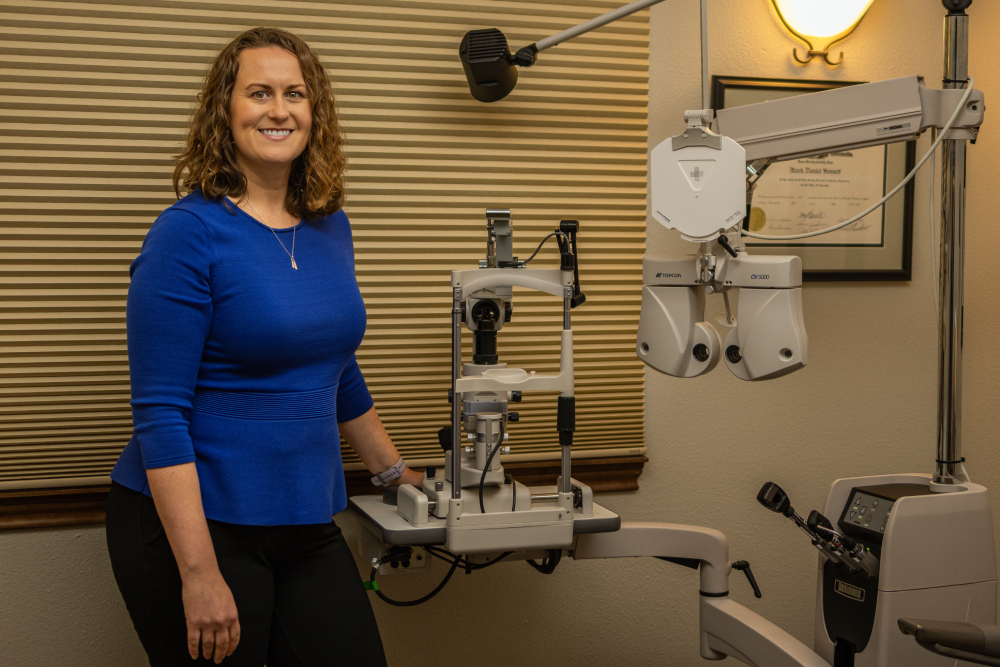
A woman stands next to ophthalmology examination equipment in a well-lit office, with framed certificates on the wall behind her.

Schedule a Myopia Management Appointment

If your child is showing signs of nearsightedness or has a prescription that is changing year over year, an early evaluation is the best next step.

Schedule an appointment for Myopia Management today to protect your child’s vision now and reduce long-term risks.