Macular Degeneration Exam in Colorado Springs

Age-related macular degeneration (AMD) affects the macula, the central part of the retina responsible for sharp, detailed vision used for reading, driving, and recognizing faces. When the macula is damaged, central vision becomes blurry, distorted, or develops a dark or “missing” spot, while side (peripheral) vision often remains intact. AMD is most common after age 50 and generally falls into two categories: Dry AMD (most common): Gradual thinning of the macula with drusen deposits; vision changes often progress slowly. Wet AMD (less common, more urgent): Abnormal blood vessel growth under the retina that can leak fluid or blood, causing faster and more severe central vision loss.

Schedule a macular degeneration exam to protect your central vision and detect AMD as early as possible.
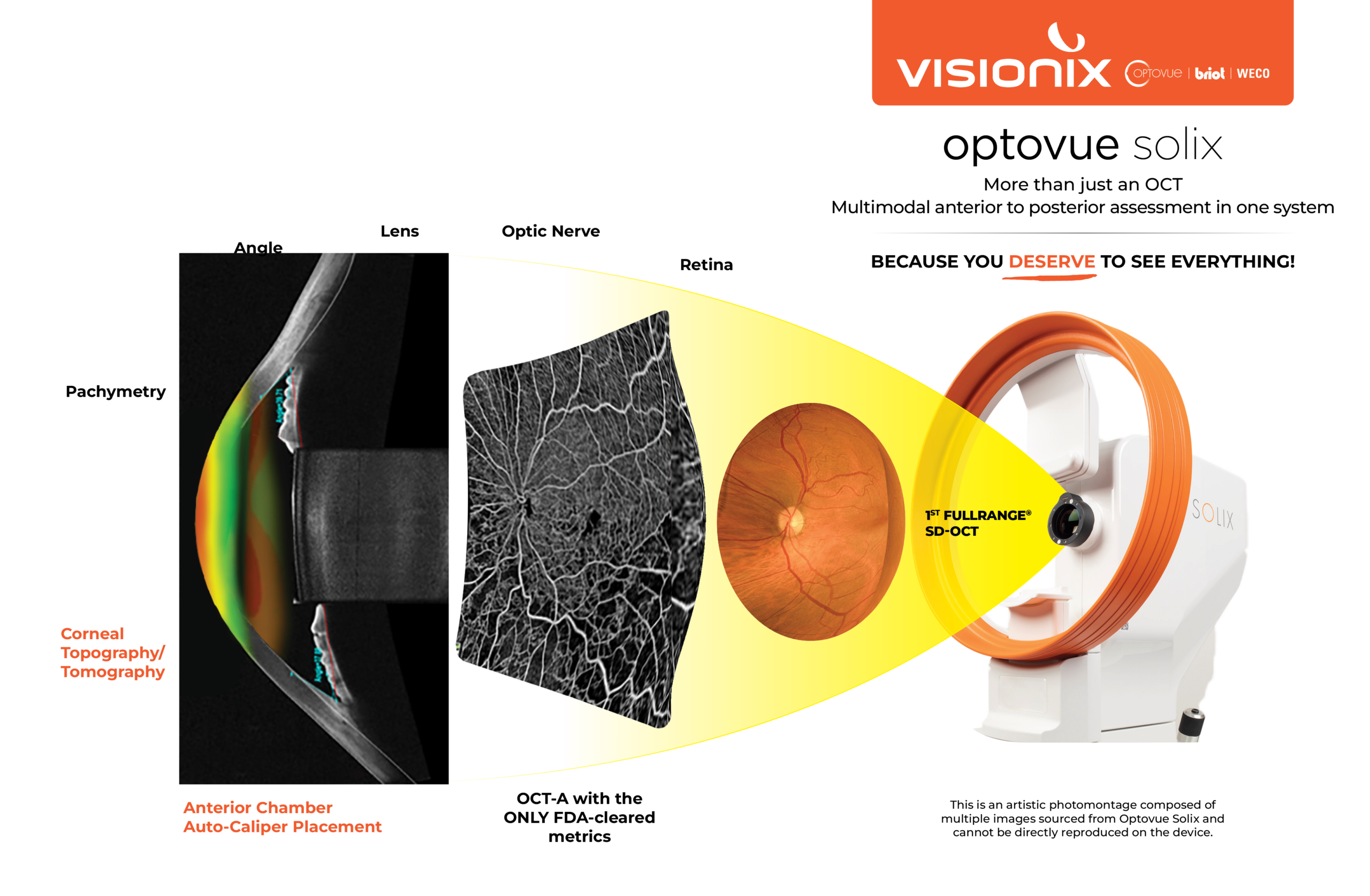
Diagram showing an eye exam process: anterior chamber topography, optic nerve imaging, and retina imaging, using the Visionix Optovue Solix SD-OCT device.

Why Early Detection Matters

AMD can progress without obvious symptoms in its early stages. A comprehensive macular evaluation helps identify subtle retinal changes before meaningful vision loss occurs, and it supports timely treatment if wet AMD is suspected.

Early detection helps you:
  • Track macular changes over time

  • Reduce risk of progression through targeted monitoring and care

  • Access prompt treatment when urgent findings appear

What to Expect During a Macular Degeneration Exam

A macular degeneration exam typically includes several components designed to evaluate the macula and retinal health thoroughly:

  • Medical and family history review
    Dr. Maciejewski reviews risk factors such as age, family history, smoking, cardiovascular health, and current symptoms.

  • Visual acuity testing
    Measures central vision clarity and provides a baseline for future comparison.

  • Dilated retinal exam
    Dilating drops allow a wider, clearer view of the retina and macula to identify drusen, pigment changes, and other AMD indicators.

  • Retinal imaging (often including OCT)
    Optical Coherence Tomography (OCT) is a non-invasive scan that produces detailed cross-sectional images of the retina to detect thinning, swelling, or fluid.

  • Additional testing when indicated
    If wet AMD is suspected, your provider may recommend further imaging to evaluate abnormal blood vessel growth and leakage.

Schedule an appointment for a macular degeneration exam if you are over 50 or noticing any central vision changes.

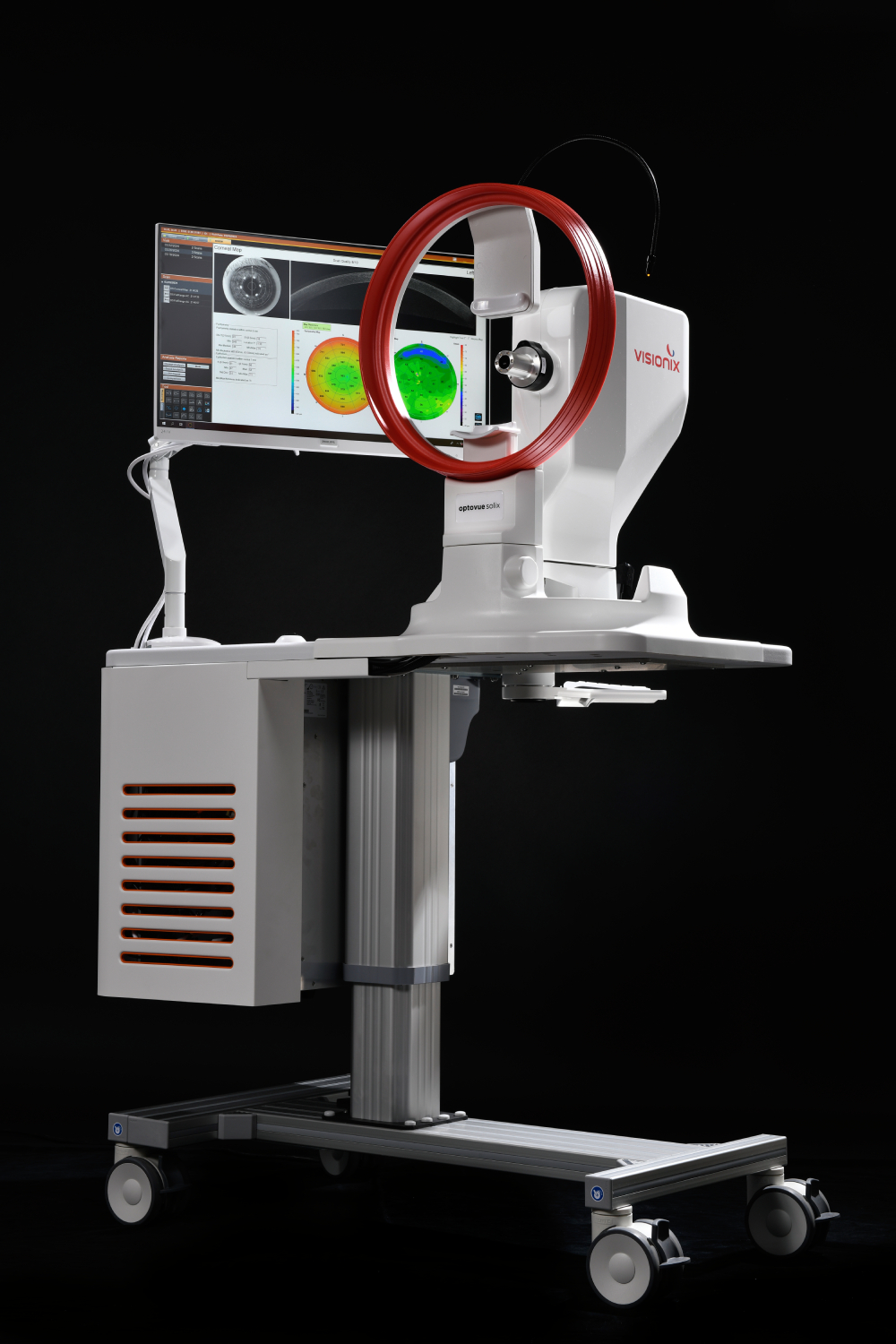
A medical diagnostic device with a red circular component and computer screen displaying ocular test results, mounted on a mobile cart with wheels.
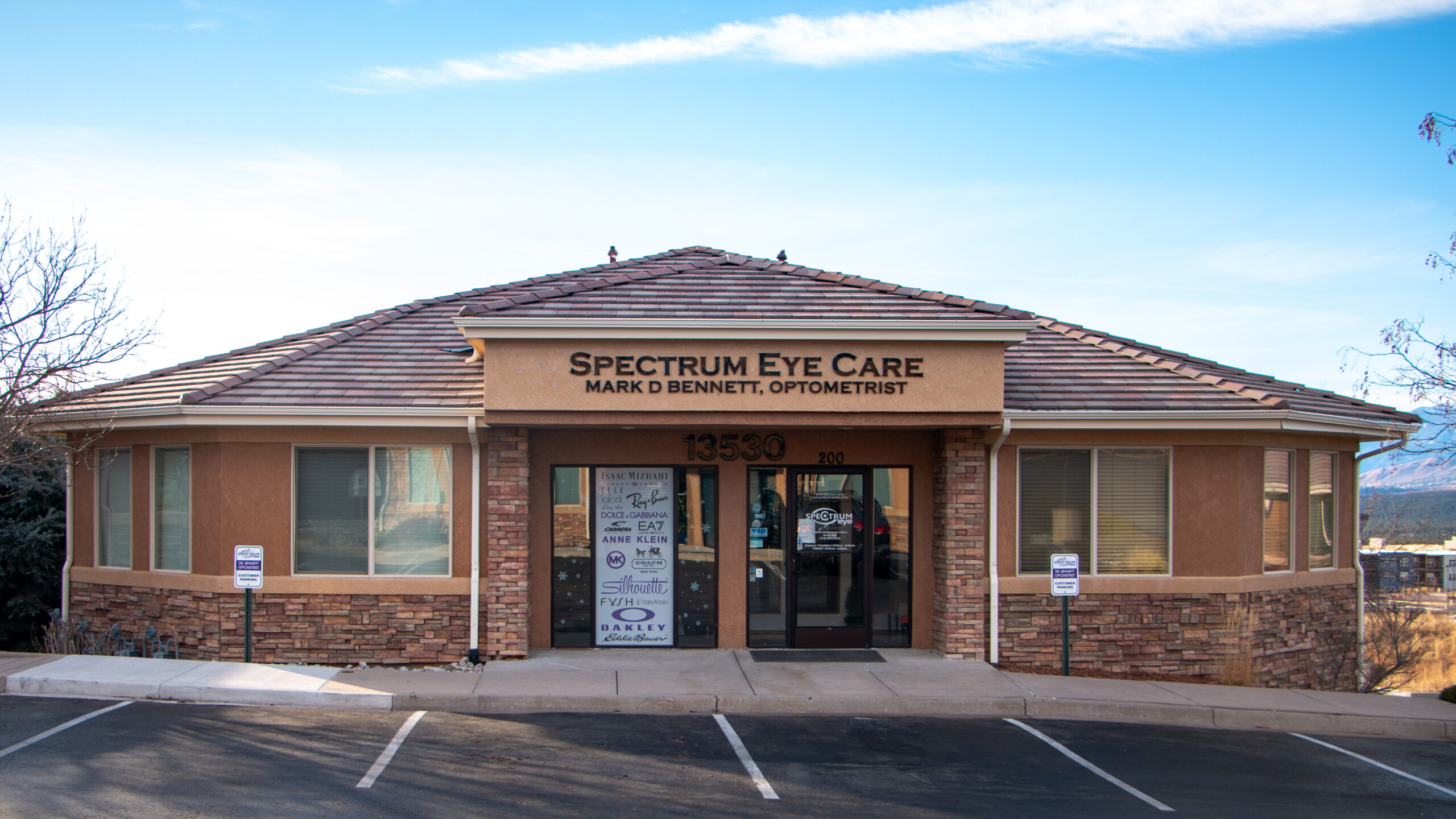
Single-story eye care clinic with a sign reading "Spectrum Eye Care, Mark D Bennett, Optometrist" above the entrance, and accessible parking spaces in front.
A healthcare professional holds an Amsler grid while a seated patient covers one eye during a vision test in a medical office.

Risk Factors and Early Warning Signs

Common risk factors include:

  • Age (50+)

  • Family history of AMD

  • Smoking history

  • High blood pressure or high cholesterol

  • Poor diet low in antioxidant-rich foods

Early symptoms can be subtle, including:

  • Blurred or distorted central vision

  • Difficulty reading or seeing fine detail

  • Straight lines appearing wavy

  • A dark or blank spot in the center of vision

Your eye doctor may also use tools such as an Amsler grid to screen for distortion and missing areas in central vision.

Treatment and Management Based on Findings

Your treatment plan depends on whether AMD is dry or wet and how advanced it appears.

Dry AMD management often focuses on slowing progression through:

  • Nutritional support and supplement guidance when appropriate

  • Lifestyle modifications (smoking cessation, heart-healthy diet, UV protection)

  • Monitoring and scheduled rechecks to track changes

Wet AMD requires more urgent intervention because it can progress quickly. If signs of abnormal vessels or fluid are present, your provider will discuss next-step treatment pathways and coordinated specialty care as needed.
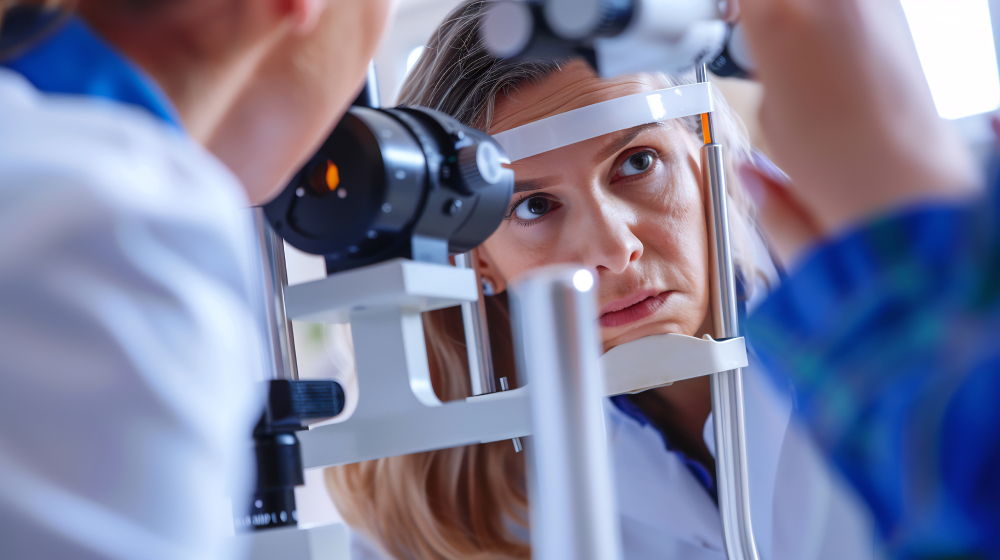

A woman undergoes an eye examination using a slit lamp, with a healthcare professional operating the equipment.
An older woman covers one eye while holding an Amsler grid, as a healthcare professional observes, likely during an eye exam.

Lifestyle Guidance Discussed During Your Visit

Most patients benefit from practical steps that support retinal health, including:
  • Stop smoking (the single most important modifiable risk factor)

  • Eat a nutrient-dense diet (leafy greens, colorful fruits/vegetables, omega-3 rich foods)

  • Manage blood pressure and cholesterol

  • Wear UV-blocking sunglasses outdoors

  • Maintain consistent follow-up visits to monitor changes

  • Discuss EyePromise Supplements when appropriate

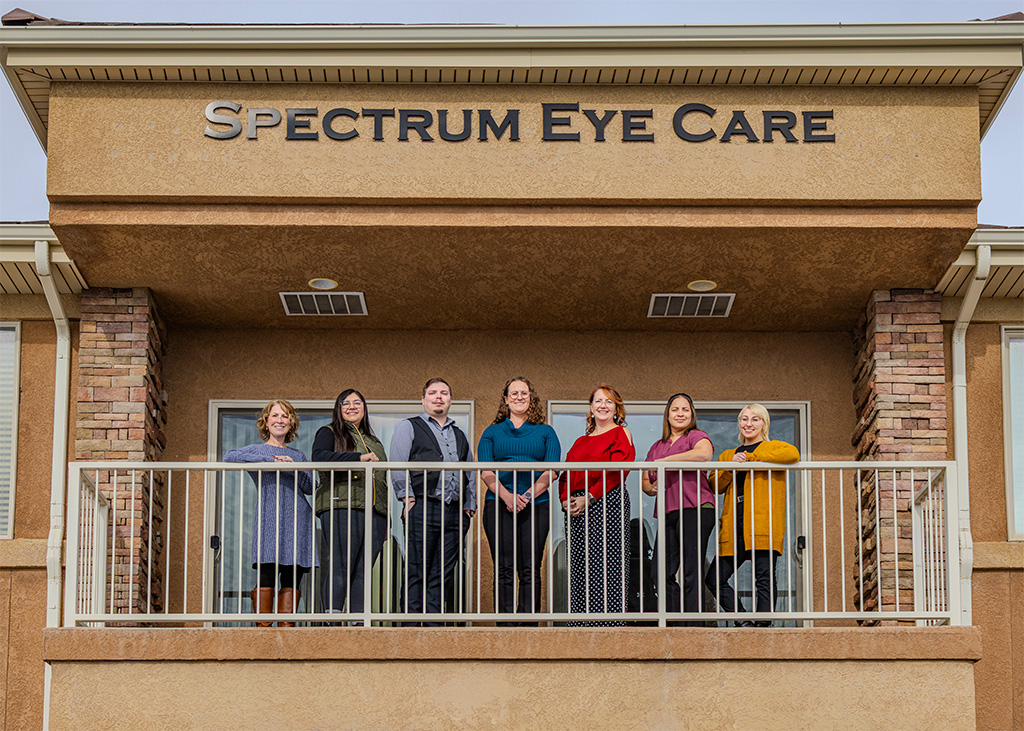
Six people stand on a balcony in front of a building with a sign that reads "Spectrum Eye Care.

Schedule Your Macular Degeneration Exam

If you are over 50, have a family history of AMD, or have noticed distortion, blurriness, or central “missing” areas in your vision, a dedicated macular evaluation is an appropriate next step.

Schedule your macular degeneration exam today to preserve your central vision and receive a personalized monitoring and care plan.