

LASIK in Colorado Springs

LASIK is a popular option for people who want to reduce or eliminate their dependence on glasses and contact lenses. This laser vision correction procedure reshapes the cornea to help light focus properly on the retina—improving clarity for common refractive errors, including nearsightedness (myopia), farsightedness (hyperopia), and astigmatism. If you are exploring LASIK near Gleneagle, the first step is a professional evaluation to confirm candidacy and discuss the best vision-correction path for your eyes, prescription, and lifestyle.

Schedule a LASIK consultation to determine whether you are a candidate for laser vision correction.
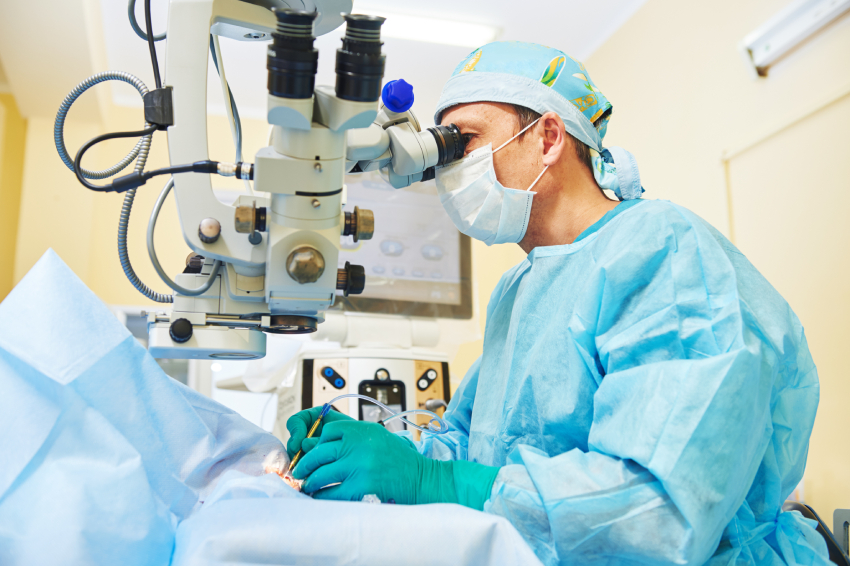
A surgeon in scrubs and mask performs a procedure using a microscope in an operating room.

What LASIK Is and How It Works

LASIK (laser-assisted in situ keratomileusis) is a refractive procedure that:

  • Creates a thin corneal flap

  • Uses a laser to reshape the underlying corneal tissue based on your prescription

  • Repositions the flap to support quick healing

Most patients experience minimal discomfort and a relatively fast return to day-to-day activities, with vision often improving significantly within the first 24–48 hours.

LASIK vs. Other Vision Correction Options

During your evaluation, your doctor may discuss alternatives based on corneal thickness, prescription strength, eye health, and occupation or hobbies:

  • PRK: Similar laser correction, but without a corneal flap; longer recovery, often helpful for thinner corneas

  • EVO ICL: Implantable lens option for higher prescriptions or when corneal surgery is not ideal

  • Refractive Lens Exchange: Lens replacement approach, often considered for presbyopia or certain higher hyperopia profiles

Our goal is not to “sell” LASIK—it is to recommend the safest procedure that best matches your eyes and your visual goals.
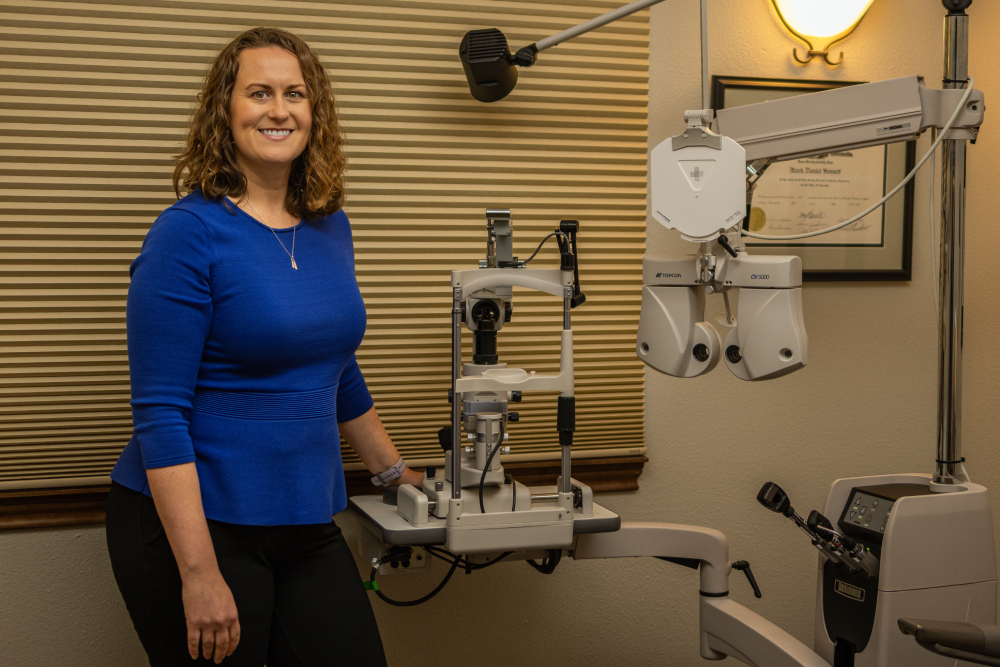
A woman stands next to ophthalmology examination equipment in a well-lit office, with framed certificates on the wall behind her.
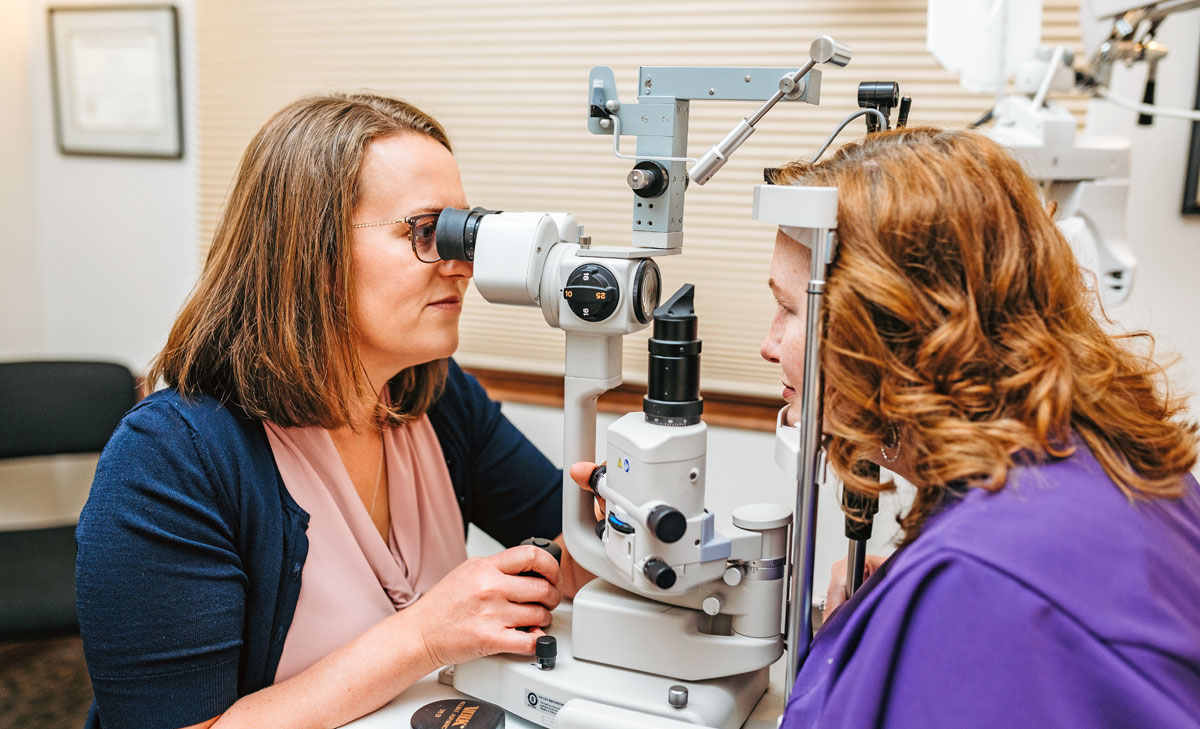
Two women sit facing each other as one conducts an eye examination using a slit lamp instrument in a clinical setting.

Who Is a Good Candidate for LASIK?

Many candidates share these traits:

  • Age 18+ with a stable prescription for at least 12 months

  • Healthy corneas with adequate thickness and regular shape

  • Overall healthy eyes (no uncontrolled dry eye, significant corneal disease, or active infection)

Some factors may delay or disqualify LASIK, including pregnancy/nursing, certain autoimmune conditions, keratoconus, or severe dry eye. A consultation is the only reliable way to confirm candidacy.

Schedule a LASIK evaluation to confirm candidacy and review your options.

What to Expect at Your LASIK Consultation

Your visit typically includes:

  • A comprehensive eye exam and detailed refraction

  • Corneal measurements (topography and thickness mapping)

  • Tear film and dry eye screening

  • Review of medical history, medications, and visual goals

  • Discussion of expected outcomes, recovery, and risks

Preparation tip: If you wear contact lenses, you may need to discontinue them before your evaluation to allow the cornea to return to its natural shape (your office will provide timing guidance based on lens type).
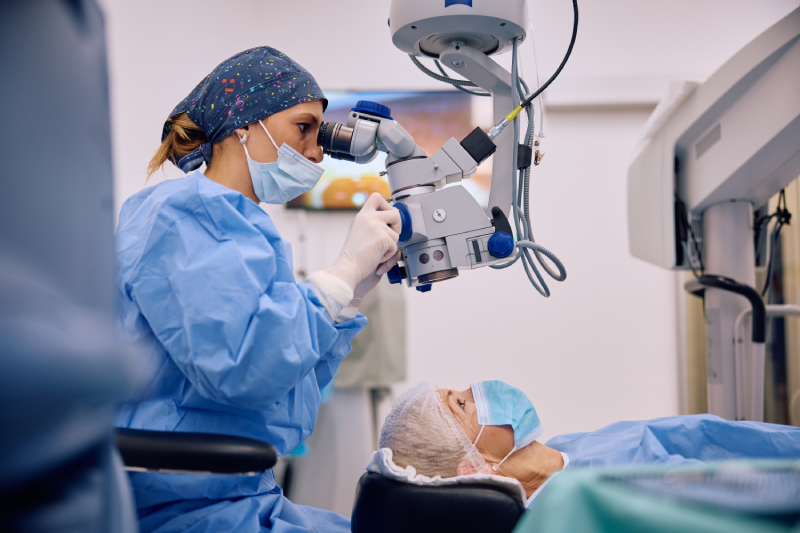
A medical professional in surgical attire uses a microscope to perform an eye procedure on a patient lying on an operating table.
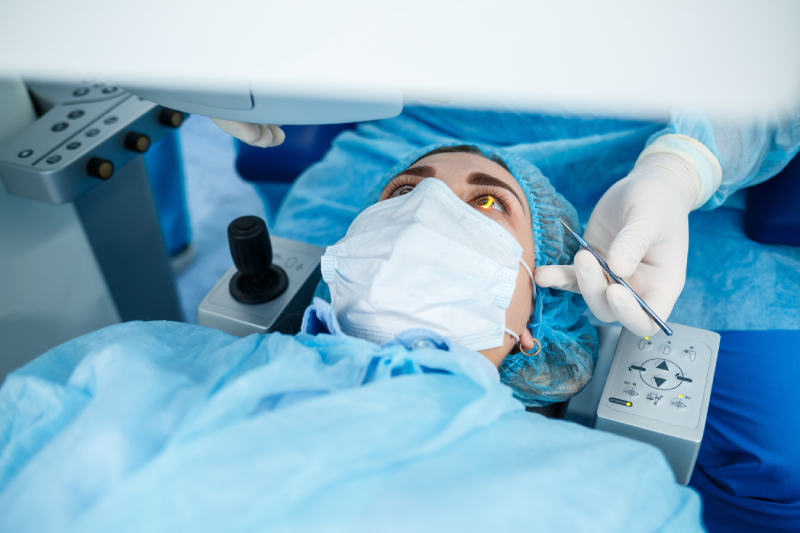
A patient wearing a surgical cap and mask lies under a medical machine while a doctor performs an eye procedure using surgical instruments.

LASIK Procedure and Recovery

Procedure basics:

  • Outpatient treatment, usually minutes per eye

  • Numbing drops used for comfort

  • Quick recovery for most patients

Common short-term effects:

  • Mild dryness, watering, light sensitivity, or fluctuating clarity during healing

Post-op success depends on following instructions closely, including using prescribed drops, avoiding eye rubbing, and attending follow-up visits.

Schedule a LASIK consultation to learn what the procedure and recovery may look like for you.

Benefits and Risks to Understand

Common benefits:

  • Reduced reliance on glasses or contacts

  • Improved convenience for work, sports, and travel

  • Rapid functional recovery for many patients

Important considerations:

  • Temporary dry eye is common after LASIK

  • Nighttime glare/halos can occur, especially early in healing

  • LASIK permanently changes corneal shape; candidacy and expectations matter

  • Some patients may still need glasses for certain tasks (especially as presbyopia develops with age)

Your consultation should include a candid discussion of what is realistic for your eyes.

A man in a suit assists another man undergoing an eye exam using specialized equipment in an office setting.
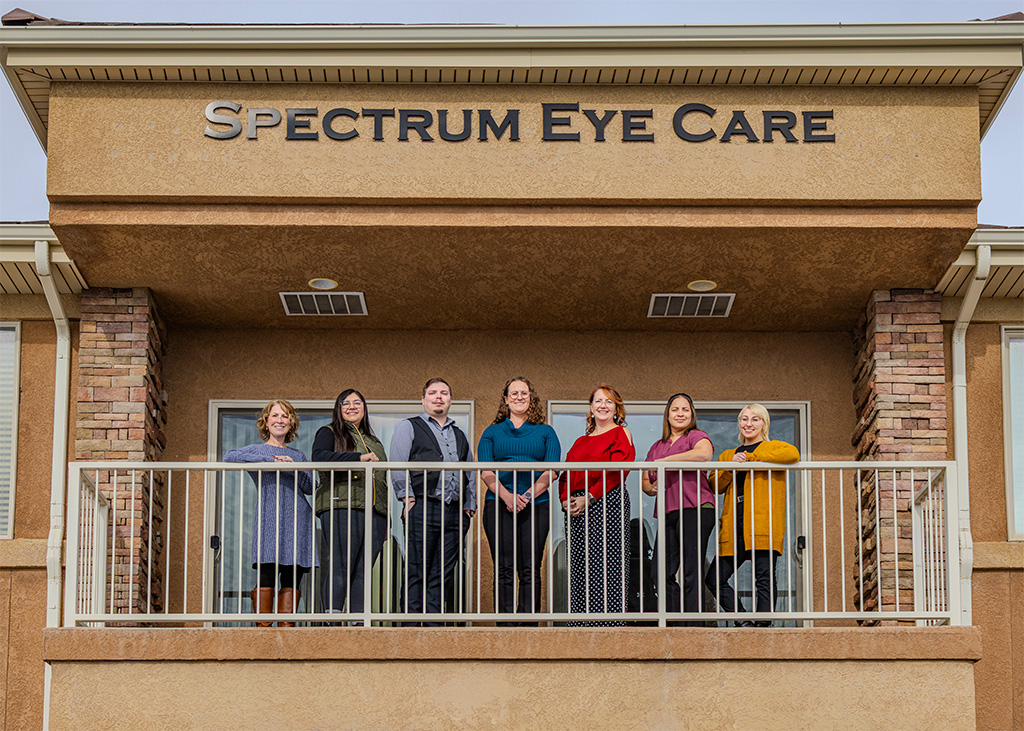
Six people stand on a balcony in front of a building with a sign that reads "Spectrum Eye Care.

Schedule Your LASIK Consultation Near Gleneagle

If you are considering LASIK, start with a professional evaluation to confirm candidacy and review the best options for your vision goals.

Schedule a LASIK consultation today to find out if you are a candidate for laser vision correction and to receive a personalized recommendation.