


Glaucoma Treatment in Colorado Springs
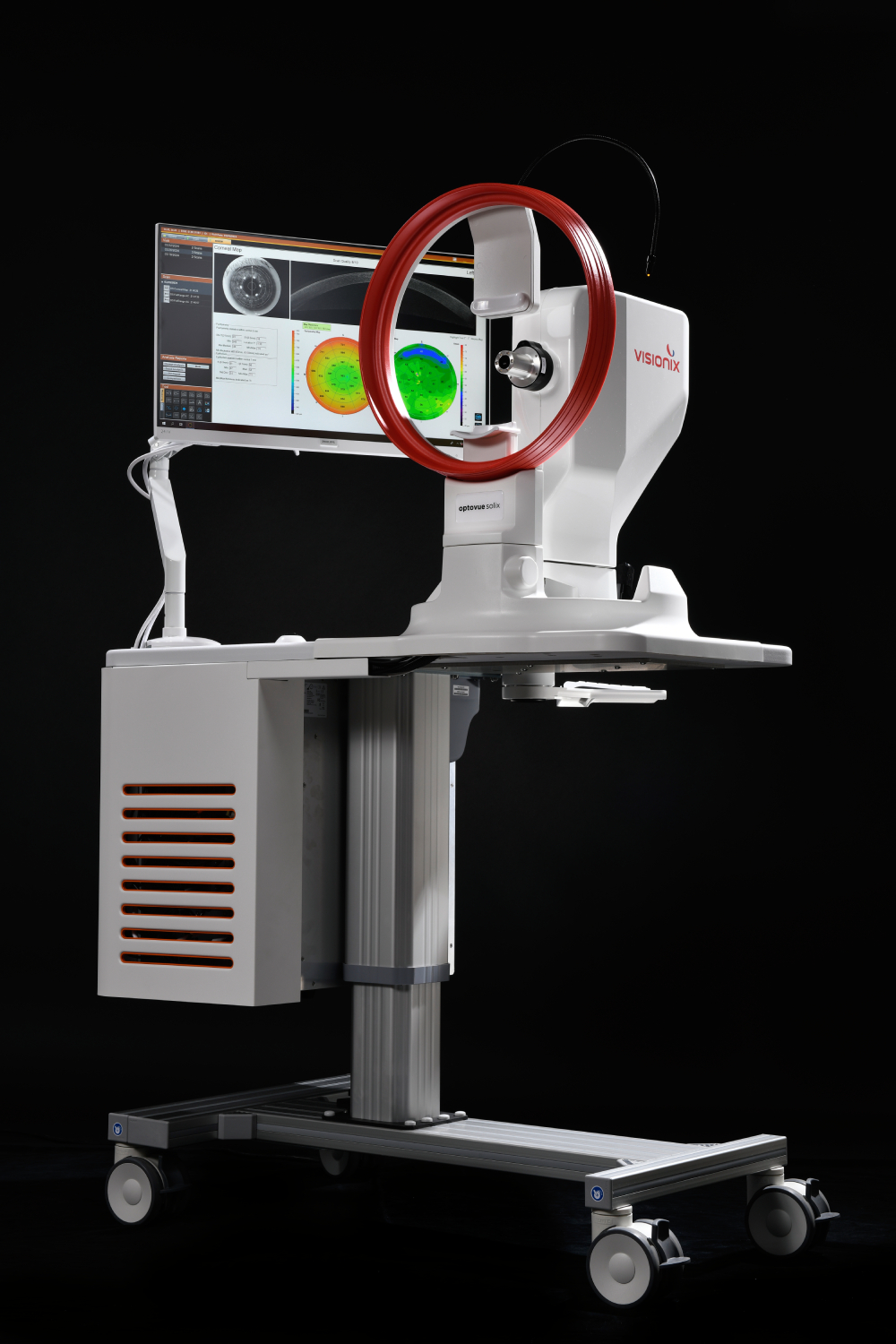
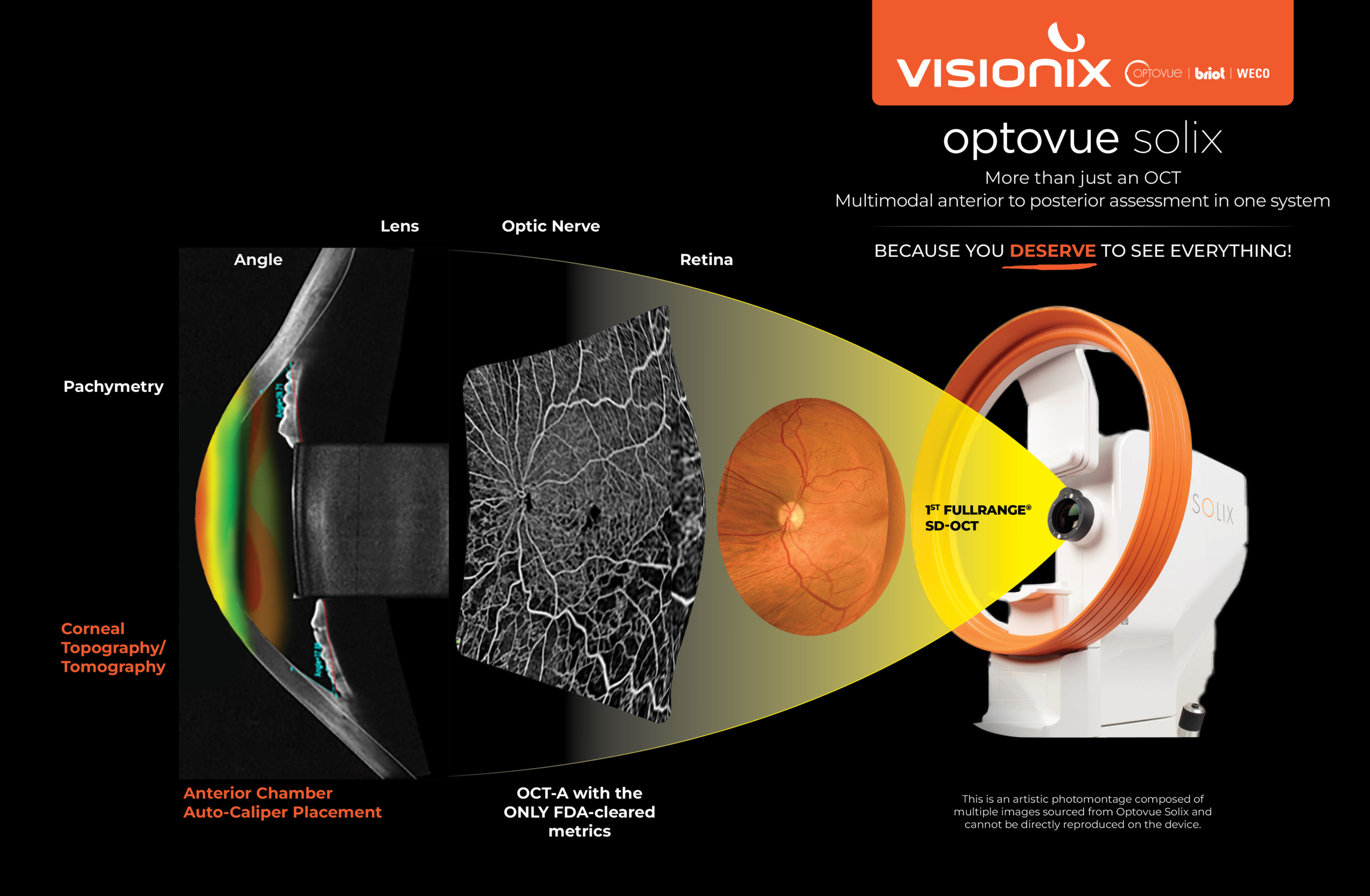
Glaucoma is a progressive eye disease that damages the optic nerve and can lead to permanent vision loss if left untreated. Because early glaucoma often has no symptoms, routine eye exams are the best way to detect changes early and protect your sight. At Spectrum Eye Care, we provide glaucoma screening, monitoring, and co-management using advanced diagnostics—including Optical Coherence Tomography (OCT) and visual field testing—to identify risk and track progression over time.


What Is Glaucoma?
Glaucoma is a group of conditions typically associated with increased intraocular pressure (IOP). When fluid inside the eye does not drain properly, pressure can build and gradually damage the optic nerve.
Common types include:
Glaucoma-related vision loss often starts in peripheral vision, which is why many people do not notice it until the disease is more advanced.
Risk Factors and Symptoms
You may be at higher risk for glaucoma if you:
Most glaucoma has no early symptoms. If you notice peripheral vision loss or “tunnel vision,” schedule an evaluation promptly. If you experience sudden eye pain, halos, redness, headache, or nausea, seek emergency eye care immediately.

How Glaucoma Is Diagnosed
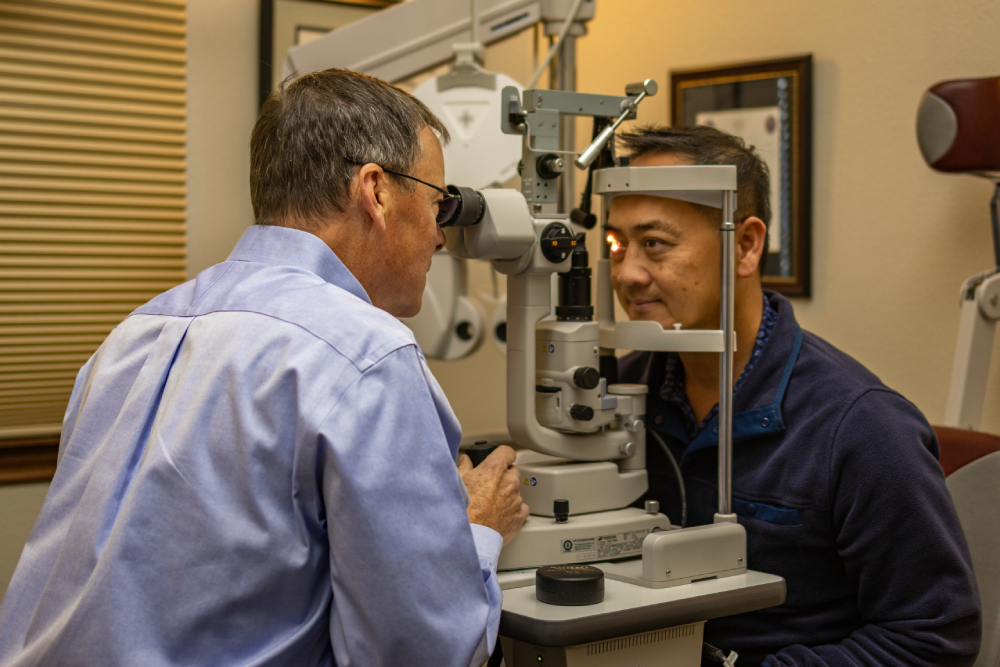
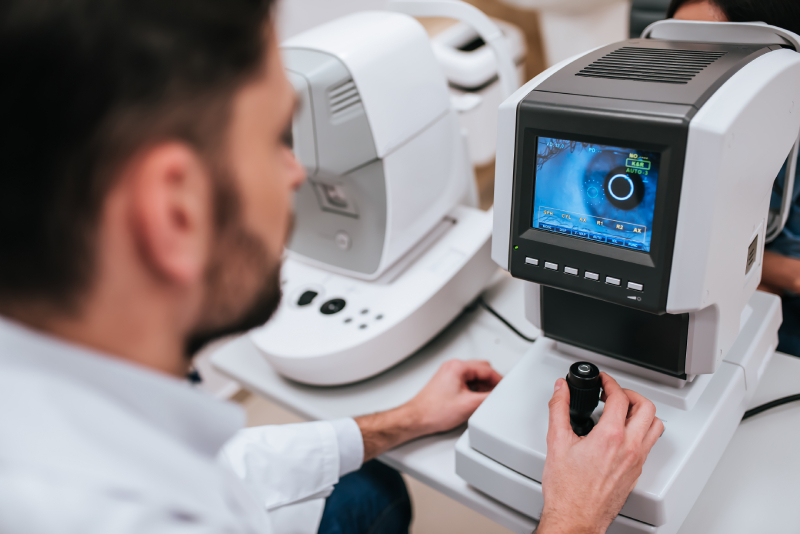
A glaucoma evaluation may include:
These tests help detect glaucoma earlier—before significant vision loss occurs.
Glaucoma Treatment and Long-Term Management
Glaucoma cannot be cured, but it can typically be controlled. Treatment focuses on lowering eye pressure and protecting the optic nerve. Depending on your condition, care may include:
Consistent follow-ups are essential, even when you feel fine, because glaucoma can progress silently.

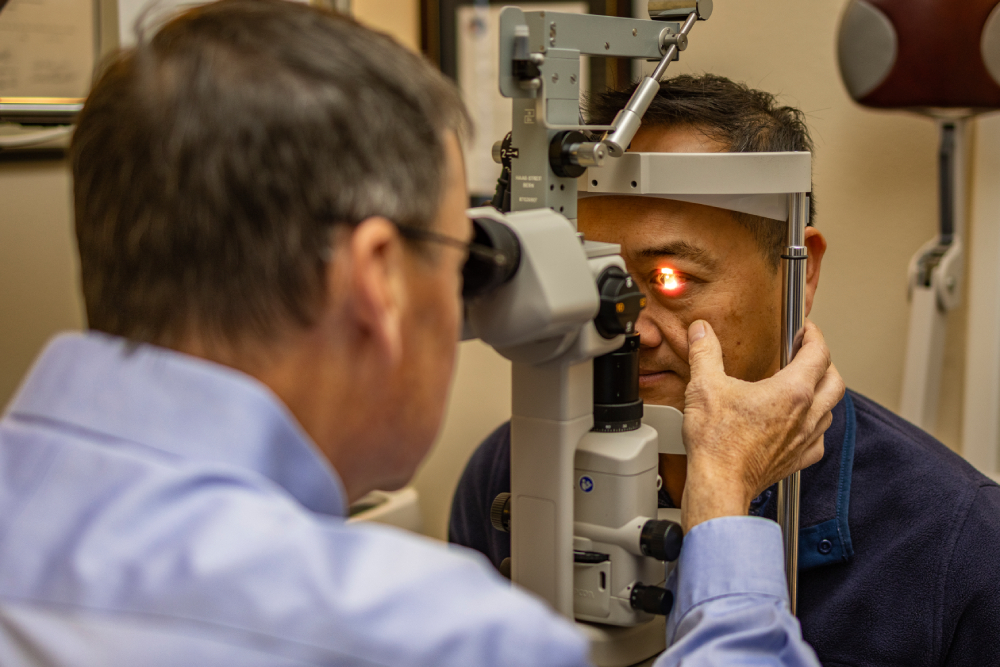
Schedule Your Glaucoma Evaluation
Early detection is the most effective way to protect your vision from glaucoma. If you have risk factors—or it has been more than a year since your last eye exam—schedule a glaucoma screening.
Call Spectrum Eye Care today to schedule your glaucoma evaluation near Gleneagle.