


Eye injury prevention starts before a task, game, or project begins. Protective goggles, a clear work area, or a quick label check can prevent a painful accident. Flying debris, chemicals, tools, and sports equipment can cause injuries that need prompt care.
Proper protective eyewear can reduce the risk of eye injury by about 90 percent, according to the American Academy of Ophthalmology. Match the equipment to the hazard, whether it is yard work, chemicals, or sports.
Workplace Eye Safety
Workplace eye safety begins with a clear view of the risks in a normal shift. Dust, liquid, sparks, and small fragments can travel quickly and may reach your eyes before you have time to react. Choose protective equipment for the work in front of you.
Common Risks From Dust, Debris, Chemicals, and Tools
Construction, manufacturing, landscaping, repair work, and laboratory tasks can expose workers to dust, wood chips, metal fragments, cement, chemicals, sparks, and splashes. The CDC also notes that germs may reach the eyes through contaminated hands, objects, or fluid splashes in some work settings.
Matching Protective Eyewear to the Task
Start with the hazard assessment. Safety spectacles may suit low-impact particles, while goggles provide closer coverage. A face shield can add coverage for splashes or larger debris but may need safety eyewear underneath. The CDC advises fitting protection for coverage, comfort, and adequate side vision. Ask your supervisor which protection is required.
Why Ordinary Glasses Are Not Safety Glasses
Everyday prescription glasses, sunglasses, and readers are made for vision correction or sun comfort. While fashion eyewear in Colorado Springs offers options for everyday vision and personal style, these glasses may lack the side coverage and impact rating needed for workplace hazards. If you wear a prescription, ask about prescription safety eyewear or protection designed to fit over your glasses. Keep lenses clean and replace damaged equipment. Protection cannot help when it stays in a locker.
Home Eye Safety
Home eye safety deserves the same care as job-site safety. The American Academy of Ophthalmology reports that nearly half of eye injuries occur at home, often during repairs, yard work, cleaning, and cooking.
Preventing Eye Injuries During DIY Projects and Yard Work
Before drilling, sanding, hammering, mowing, trimming, or using a power tool, put on protective eyewear and clear loose material from the area. A mower or trimmer can send stones, sticks, and dirt toward a bystander. Keep children and pets outside the work zone. When working overhead, choose eyewear that covers the sides of your eyes.
Protecting Your Eyes Around Cleaning Products and Chemicals
Read the label before opening a cleaner, fertilizer, paint stripper, or pool chemical. Use the recommended eye protection, work where there is good airflow, and close containers when they are not being used. Do not transfer products into unlabeled bottles. Pour and spray carefully so wind or a sudden movement does not direct liquid toward your face. These chemical eye safety habits are useful during deep cleaning, garage projects, and seasonal home maintenance.
Reducing Risks From Sharp Objects and Flying Debris
Point scissors, utility knives, wire ends, and other sharp tools away from your face. Cut away from your body and store sharp items where children cannot reach them. When opening tight packaging or trimming branches, expect something to spring back. Holiday eye safety belongs here too. Take care when hanging decorations, opening boxes, using craft tools, or setting up outdoor displays. Reposition a ladder, light, or workpiece if the angle feels awkward.
Sports Eye Protection
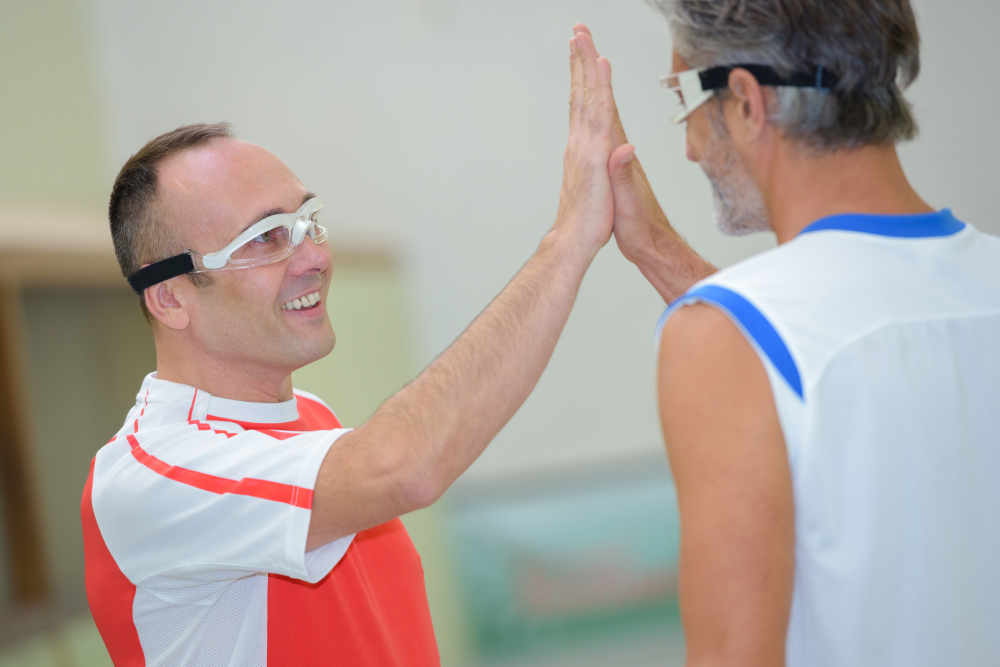
Sports eye protection helps children, teens, and adults avoid injuries caused by a ball, elbow, racquet, puck, or collision. Treat it as part of the uniform for activities with an eye-injury risk, even if a league does not require it.
Sports With a Higher Risk of Eye Injury
Baseball, softball, basketball, hockey, racquetball, squash, fencing, paintball, and mountain biking are among the sports with higher eye-injury risks. Soccer, tennis, golf, badminton, tackle football, and other active sports can also involve contact, fast-moving equipment, or debris. Risk can change by position and setting. A baseball batter faces a different hazard than an outfielder, and a cyclist on a trail faces different risks than one on a paved road.
Why Polycarbonate Lenses Are Commonly Used for Impact Protection
Polycarbonate is widely used for protective sports lenses because it is lightweight and highly impact resistant. The National Eye Institute describes it as a material used in sports goggles, face guards, and sport-specific eyewear, with UV protection as an added benefit. Choose equipment made for the sport and make sure it fits securely. A helmet or face guard may be needed for batting, hockey, tackle football, fencing, lacrosse, or paintball.
Prescription Protective Eyewear for Athletes
Regular glasses, sunglasses, and contact lenses do not provide sports eye protection. Athletes who need vision correction can ask about prescription protective goggles or sport-specific eyewear made to their prescription. Some options can be worn over contact lenses or regular glasses. A proper fit matters. Eyewear that slips, fogs heavily, or blocks side vision is less likely to be worn. Mention the sport and playing position during an eye exam so the recommendation fits the activity.
Children’s Eye Safety at Home and During Play
Children’s eye safety works best when protection is part of the routine, not a response after an injury. Children may not realize that a toy, tool, or sport can hurt their eyes. Adults can make safer choices before play begins and show kids how to use equipment correctly.
Choosing Age-Appropriate Toys and Activities
Choose toys that match a child’s age and ability, then inspect them for broken pieces, sharp edges, and loose parts. Keep tools, projectiles, and chemicals out of reach. Supervise activities involving darts, slingshots, toy launchers, crafting tools, or rough play. Remind children to give others space when swinging an object. Follow warning labels. Active play matters, and small safety steps reduce avoidable risks while children learn and have fun.
Protective Eyewear for Sports and Science Activities
A child does not need a glasses prescription to benefit from protective eyewear. Sports goggles can protect young athletes during games and practice, while properly fitted goggles may be useful for a science activity with splash or particle risks. Families exploring children’s eyewear in Colorado Springs should understand the difference between everyday prescription glasses and protective sports goggles. The National Eye Institute states that the right protective eyewear can prevent nine out of ten sports-related eye injuries. Parents, coaches, and teachers can set expectations before an activity starts and keep equipment available in the right size.
What Parents Should Do After a Child’s Eye Injury
Keep your child from rubbing or pressing on the eye. Do not try to remove an object that appears embedded, and do not use tweezers near the eye. For a chemical splash, begin rinsing with clean water right away. Seek prompt professional care for pain, a visible cut, persistent redness, light sensitivity, trouble opening the eye, or any change in vision. Children may struggle to explain what they feel, so ongoing symptoms deserve attention.

Chemical Eye Safety
Chemical eye safety needs a simple response plan. Cleaning products, solvents, fertilizers, pool chemicals, and workplace substances can irritate or burn the eye. Before beginning a chemical task, know where you can access clean running water.
Reading Labels and Using Splash Protection
Product labels explain hazards, required protective equipment, and first-aid directions for that specific substance. Read them before mixing, pouring, spraying, or opening a container. Use splash goggles or other recommended protection when liquid could reach your eyes. A face shield can add coverage, but it does not always replace goggles. Keep the product in its original labeled container and follow the instructions for storage and disposal.
Setting Up a Safe Work Area Before Using Chemicals
Set containers on a stable surface and keep them away from food, drinks, and children. Make sure you have enough light to read labels and enough room to work without bumping an elbow or tipping a bottle. Consider the wind before spraying outdoors. Wash your hands after handling chemicals so residue does not transfer to your eyes later. At work, follow the site’s eyewash, spill, and reporting procedures before starting the job.
Why Immediate Rinsing Matters After Accidental Exposure
If a chemical enters the eye, start rinsing immediately with large amounts of clean water for at least 15 minutes. Lift the upper and lower eyelids gently during rinsing if you can do so safely. Get medical attention right away for substances whose label calls for it or when symptoms are significant. The National Institute for Occupational Safety and Health (NIOSH) lists immediate eye irrigation and medical evaluation among its first-aid directions for chemical eye contact. Do not delay rinsing while looking for drops or deciding whether the product was harmful.
When an Eye Injury Needs Professional Care
Prevention lowers risk, but it cannot prevent every accident. An injury should be checked immediately when symptoms are more than mild or do not improve. Spectrum Eye Care can help Colorado Springs patients who need same-day guidance and evaluation for an eye injury. For more urgent care information, visit the Emergency Eye Care in Colorado Springs service page.
Sudden Vision Changes After an Injury
Blurred vision, double vision, a new blind spot, loss of side vision, flashes of light, or a sudden drop in vision after an impact need urgent attention. These symptoms can point to an injury beyond the surface of the eye. Avoid driving yourself if your vision is affected. Call Spectrum Eye Care for guidance, or seek emergency care when symptoms are severe, especially after a high-speed impact or head injury.
Eye Pain, Redness, Swelling, or Light Sensitivity
Pain, increasing redness, swelling, tearing, or light sensitivity can happen after a scratch, foreign particle, chemical splash, or blunt impact. Do not rub the eye or place pressure on it. Remove contact lenses only if they come out easily and doing so does not delay rinsing after chemical exposure. If symptoms are significant, worsening, or still present after a short period of rest, contact an eye care professional for prompt assessment.
Foreign Objects, Scratches, and Chemical Exposure
A loose eyelash or speck may rinse away, but an object that is stuck in the eye or appears to penetrate it needs urgent professional care. Do not try to pull it out. A scratch can be painful and make the eye sensitive to light, even when the object is gone. Chemical exposure requires immediate water rinsing for at least 15 minutes before anything else. For a foreign object, ongoing pain, or vision changes, contact Spectrum Eye Care or seek emergency care.
When Emergency Medical Care May Be Necessary
Go to an emergency department or call 911 for severe trauma, heavy bleeding, a deep cut around the eye, a chemical burn with severe symptoms, a visible object in the eye, sudden major vision loss, or signs of a serious head injury. Do not eat or drink if surgery may be needed. Gently tape the bottom of a paper cup over the eye to shield it without pressing on it. Never press directly on the eye.
Eye injury prevention is practical care for your sight. Choose protective eyewear for the work, sport, or project in front of you. Keep chemicals labeled and water within reach. Teach children to use the right gear before play starts. If an accident happens, respond promptly and seek care for pain, vision changes, foreign objects, or chemical exposure. Spectrum Eye Care is here to help Colorado Springs patients protect their vision and get timely care when an eye injury cannot wait.