


Dry eye disease can make simple parts of your day feel harder than they should. Reading, driving, wearing contacts, working on a computer, or walking outside in Colorado wind can all become uncomfortable.
The problem is not always a lack of tears. Sometimes your eyes make tears, but the tears evaporate too quickly or do not protect the eye surface well enough.
That is why dry eye needs more than random drops from the store. The right care starts with finding the reason for eye dryness symptoms, then matching treatment to the cause.
Spectrum Eye Care offers dry eye treatment in Colorado Springs for patients with burning, stinging, watering, blurred vision, contact lens discomfort, and chronic dry eye.
What Is Dry Eye?
Dry eye is a condition where your tears do not keep your eyes wet, stable, and comfortable. It can happen when your eyes do not make enough tears, when tears dry too quickly, or when tears do not work the way they should. The National Eye Institute lists burning, scratchy feeling, blurry vision, and red eyes as common signs.
Dry eye disease can be mild, moderate, or severe. Some people only notice symptoms after screen use or time outside. Others feel discomfort most days.
Why Dry Eyes Happen, the Tear Film Explained
Your eye’s tear film has three main layers:
- Oil layer
- Water layer
- Mucus layer
These layers help keep the eye surface smooth and protected. The water layer adds moisture. The mucus layer helps tears spread across the eye. The oil layer slows evaporation.
When one layer breaks down, your eyes may feel dry, gritty, tired, or watery.
Spectrum Eye Care explains that dry eye disease can develop when one or more tear film layers are disrupted. The practice also notes that evaporative dry eye is often linked to meibomian gland dysfunction.
The Difference Between Not Enough Tears and Poor-quality Tears
There are two main dry eye patterns.
The first is low tear production. Your eyes do not make enough watery tears.
The second is poor tear quality. Your eyes may make tears, but they evaporate too quickly or fail to coat the eye well.
Poor-quality tears are often tied to the oil glands in the eyelids. These glands are called meibomian glands. When they do not release healthy oil, tears break up faster. That can cause dry eye problems even when your eyes seem watery.
Why Dry Eye is More Common Than Most People Realize
Dry eye is common. The National Eye Institute states that dry eye affects millions of Americans each year and lists contact lens wear, age 50 or older, some autoimmune conditions, and low omega-3 intake as risk factors.
It is also easy to miss. Many people blame symptoms on allergies, fatigue, aging, or too much screen time.
Those things can play a role. But if symptoms keep coming back, dry eye disorder may be the reason.
Common Dry Eye Symptoms
Dry eye symptoms are not always limited to dryness.
Some patients feel burning. Others feel watering. Some notice that vision gets blurry late in the day. Contact lens wearers may feel like their lenses are dirty or uncomfortable after only a few hours.
Because dry eye disease symptoms can overlap with allergies, infection, and eye strain, an eye exam in Colorado Springs can help confirm what is happening.
Burning, Stinging, or Gritty Sensations in the Eyes
Burning, stinging, and gritty sensations are some of the most common dry eye symptoms.
Patients often describe it as the following:
- Sand in the eyes
- A scratchy feeling
- Burning after screen use
- Stinging when outside
- Tired eyes at the end of the day
- Redness that comes and goes
These symptoms can be worse in dry air, wind, air conditioning, heated indoor air, or after long periods of focus.
Watery Eyes that are Actually a Sign of Dryness
Watery eyes can sound like the opposite of dry eye. But watering can be a dry eye symptom.
When the eye surface becomes irritated, your eyes may produce reflex tears. These tears can spill over, but they may not have the right balance of oil, water, and mucus to fix the problem.
So your eyes may water and still feel dry.
That is one reason patients should not self-diagnose based on one symptom. The pattern matters.
Blurred Vision that Comes and Goes Throughout the Day
An unstable tear film may cause vision to fluctuate.
You may blink and see clearly for a moment, then notice the blur again. Reading may become harder. Screen text may seem to fade in and out. Night driving may feel more difficult because glare bothers you more.
This happens because an unstable tear film creates an uneven surface over the eye. Light does not focus as cleanly when that surface breaks up.
If your vision clears after blinking or using drops, dry eye may be part of the issue.
What Causes Dry Eye Disease

The underlying causes of dry eye vary from one patient to another.
Some patients have low tear production. Some have fast evaporation. Some have inflammation. Some have multiple causes at once.
A good dry eye exam looks for the reason for eye dryness, not only the symptom.
Age and Hormonal Changes that Affect Tear Production
Dry eye becomes more common with age. Hormonal changes can also affect tear production and eye comfort.
Many patients notice more dryness during perimenopause or menopause. Some notice changes during pregnancy or while using certain hormonal medications.
Hormones can affect the tear glands, oil glands, and eye surface. That can lead to dryness, contact lens intolerance, and fluctuating vision.
Meibomian Gland Dysfunction and the Role of Oil in Tears
Meibomian gland dysfunction, often called MGD, is one of the most common drivers of evaporative dry eye.
The meibomian glands sit in your eyelids. They release oil into the tear film. That oil helps keep tears from evaporating too quickly.
When these glands become blocked, inflamed, or less active, your tear film may dry faster. You may feel burning, grittiness, redness, and blur.
This is why some dry eye treatments focus on the eyelids, not only the surface of the eye.
How Contact Lens Wear Can Contribute to Dry Eye Symptoms
Contact lenses can make dry eye symptoms more noticeable.
A contact lens sits on the tear film. If that tear film is unstable, the lens may feel dry, tight, gritty, or foggy. You may need to remove contacts earlier in the day. You may also notice more redness after wearing lenses.
A contact lens exam in Colorado Springs can help determine whether lens material, fit, wearing schedule, cleaning solution, allergies, or dry eye is causing discomfort.
Some patients need dry eye care before they can wear contacts comfortably again.
Medications that Can Reduce Tear Production
Some medications can contribute to dry eye symptoms.
These may include certain allergy medications, antidepressants, blood pressure medications, acne medications, hormone-related medications, and diuretics.
Do not stop a prescribed medication without speaking with your doctor. But do tell your eye doctor what you take. Your medication list can help explain why dry eyes happen and guide safer care choices.
Why Colorado’s Climate Makes Dry Eye Worse
Colorado Springs has conditions that can make dry eye worse.
High altitude, low humidity, wind, bright sunlight, and seasonal shifts can all increase tear evaporation. The American Optometric Association notes that smoke, wind, and dry climates can increase tear evaporation and that reduced blinking during screen use can add to dry eye symptoms.
For many local patients, dry eye is not random. The climate is part of the story.
How High Altitude and Low Humidity Accelerate Tear Evaporation
Dry air pulls moisture away from the eye surface faster.
At higher altitudes, the air can feel drier. In Colorado Springs, that can make your tear film break up more quickly, especially if your oil layer is already weak.
This can be a major issue for patients with meibomian gland dysfunction. If the oil layer is not stable, tears evaporate even faster in dry air.
Why Summer Sun, Wind, and UV Exposure Aggravate Dry Eye in Colorado Springs
Summer can be hard on the eyes in Colorado Springs.
Wind can dry the tear film. Sun exposure can add irritation. Outdoor activity, dust, and air movement can make symptoms worse.
By September, many patients have already had months of summer wind, sun, and UV exposure. Then the air starts shifting toward drier autumn conditions. That seasonal change can make dry eye relief a bigger priority.
How Autumn Air Changes Affect Dry Eye Symptoms in the Fall
Fall is a common time for dry eye complaints.
Cooler air, lower humidity, indoor heating, and seasonal allergies can all affect the eyes. Students and workers may also spend more time on screens as school and work routines settle in.
That combination can push mild dry eye conditions into daily discomfort.
If your eyes feel worse each fall, it may be time to ask about dry eye treatment in Colorado Springs.
How Screen Time and Blink Frequency Affect Dry Eye
Screens do not cause every dry eye case. But they can make symptoms worse.
The National Eye Institute lists computer, tablet, and phone use as a factor linked with dry eye and recommends breaks from screens as one way to help manage symptoms.
For many patients, the issue is blinking.
Why Staring at Screens Reduces Blink Rate
When you focus on a screen, you tend to blink less.
Your blink rate may drop during computer work, gaming, reading, studying, or phone use. Less blinking means the tear film does not spread across the eye as often.
That can lead to burning, watering, and blur, especially late in the day.
How Incomplete Blinking Affects Tear Distribution
Blinking is not only about how often you blink. It is also about how fully you blink.
An incomplete blink may not fully spread tears across the eye. It may also fail to express oil from the meibomian glands.
Over time, this can make the tear film less stable.
If your eyes feel dry after screen work, the problem may be a mix of reduced blink rate, incomplete blinking, dry air, and gland function.
Why Remote Workers and Students Are at Higher Risk
Remote workers and students often spend long hours looking at screens.
They may move from a laptop to a phone to a tablet with few breaks. Add Colorado dryness, indoor heat, contact lenses, and late nights, and symptoms can build quickly.
A dry eye plan may include screen breaks, blink training, better lighting, artificial tears, eyelid care, and medical treatment when needed.
Dry Eye Treatment Options Your Eye Doctor May Recommend
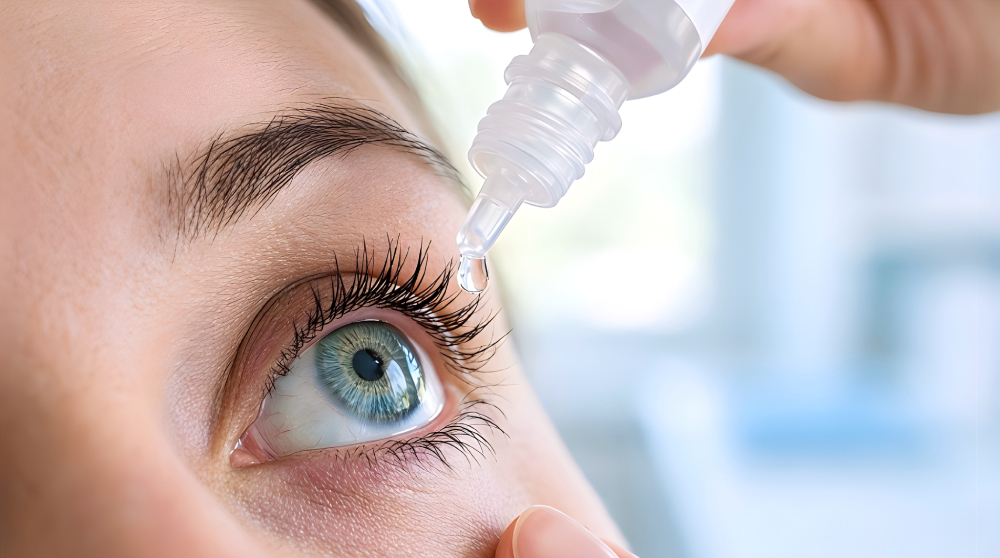
Patients often ask, How are dry eyes treated?
Treatment depends on the underlying cause. Dry eye treatments may include at-home care, prescription medication, eyelid treatment, in-office options, or punctal plugs.
The National Eye Institute notes that treatment may include artificial tears, prescription medicines, lifestyle changes, and tear duct plugs, depending on the cause.
Artificial Tears, What to Look For and When They Are Not Enough
Artificial tears can help mild dry eyes.
But not all drops are the same. Some focus on moisture. Some support the oil layer. Some are preservative-free. Some are better for occasional use, while others are better for frequent symptoms.
If you use drops many times a day, ask your eye doctor whether preservative-free drops are a better option.
Artificial tears may not be enough if you have inflammation, MGD, chronic dry eye, contact lens intolerance, or symptoms that return every day.
Prescription Eye Drops and Anti-inflammatory Treatments
Inflammation may play a role in dry eye disease. When that happens, lubricating drops may reduce symptoms, but they may not address the deeper issue.
Prescription eye drops may be used to help manage inflammation or support tear production. Your eye doctor may also recommend eyelid hygiene, warm compresses, or other care based on your exam.
The right plan depends on what is causing the dry eye disorder.
In-office Treatments
Some dry eye conditions need in-office treatment.
These treatments may focus on blocked oil glands, eyelid inflammation, tear film instability, or chronic symptoms that do not respond well to basic drops.
In-office care may include gland-focused treatment, lid cleaning, heat-based therapy, light-based treatment, or other options your eye doctor recommends.
The goal is to treat the cause, not only cover up the symptoms.
When Punctal Plugs May Be an Option
Punctal plugs are tiny devices placed in the tear ducts to help keep tears in the eye longer.
The American Academy of Ophthalmology describes punctal plugs as a dry eye treatment that helps conserve natural tears.
They may be an option when tears drain too quickly or when your eye doctor believes keeping more tears on the eye surface will help. They are not right for every type of dry eye, especially if inflammation needs to be controlled first.
Lifestyle Changes That Can Support Dry Eye Relief
Lifestyle changes can help support dry eye relief, especially when symptoms are mild or triggered by the environment.
They may not replace medical care. But they can make treatment work better.
Small daily habits matter because dry eye is often chronic.
Diet, Hydration, and Omega-3 Fatty Acids
Hydration supports overall health, including eye comfort.
Omega-3 fatty acids may also support tear film quality for some patients, though results can vary. The National Eye Institute lists low omega-3 intake as one risk factor for dry eye.
Ask your doctor before starting supplements, especially if you take blood thinners, have bleeding concerns, or have a medical condition.
Food sources of omega-3s include fatty fish, walnuts, chia seeds, and flaxseed.
How to Modify Screen Habits to Reduce Symptoms
Screen habits can make a real difference.
Try these steps:
- Take regular screen breaks
- Blink fully and often
- Keep screens slightly below eye level
- Reduce glare
- Increase text size
- Avoid direct air from fans or vents
- Use artificial tears before long screen sessions if recommended
A simple rule is to pause often enough that your eyes do not have to “push through” discomfort.
Humidifiers, Sunglasses, and Environment Adjustments in Colorado
Colorado air can be dry indoors and outdoors.
Helpful changes may include:
- Using a humidifier at home
- Wearing wraparound sunglasses outside
- Avoiding direct air from vents
- Using protective eyewear on windy days
- Keeping car vents pointed away from your face
- Taking extra care during fall and winter
The National Eye Institute also recommends avoiding wind and air conditioning, using a humidifier, wearing wraparound sunglasses, staying hydrated, and limiting screen time when dry eye is an issue.
When to See an Eye Doctor for Dry Eye
Occasional dryness can happen. But ongoing symptoms deserve attention.
The condition may affect comfort, contact lens wear, work, reading, driving, and quality of life. In more serious cases, untreated severe dry eye can harm the cornea, according to the National Eye Institute.
An exam can help you avoid months of guessing.
Signs Your Dry Eye Symptoms Need Professional Evaluation
Schedule an eye exam if you notice:
- Burning that keeps returning
- Gritty or sandy eyes
- Redness that does not clear
- Watery eyes with irritation
- Blurry vision that comes and goes
- Light sensitivity
- Contact lens discomfort
- Eye pain
- Symptoms that worsen in Colorado wind or dry air
- Dryness that affects work, school, reading, or driving
You should also schedule care if you need drops every day and still feel uncomfortable.
Why Untreated Chronic Dry Eye May Get Worse
Chronic dry eye may get worse if the cause is not treated.
For example, blocked oil glands may become less effective over time. Inflammation may continue. Contact lens wear may become harder. The eye surface may stay irritated.
Early care gives your eye doctor a chance to manage the condition before it affects more of your daily life.
Dry eye treatment is about more than improving comfort. It also supports long-term eye health.
How Spectrum Eye Care Diagnoses and Manages Dry Eye in Colorado Springs
Spectrum Eye Care provides dry eye treatment in Colorado Springs and evaluates symptoms such as dryness, burning, stinging, redness, light sensitivity, fluctuating vision, excessive tearing, and contact lens discomfort. The practice also reviews tear production, tear film, eyelids, meibomian glands, inflammation, and ocular surface health as part of dry eye evaluation.
Your care plan may include artificial tears, lipid-based drops, prescription treatment, warm compresses, eyelid hygiene, punctal plugs, nutritional support, or other care based on your diagnosis.
If dry eye disease is affecting your comfort, screen use, contact lenses, or vision, contact Spectrum Eye Care. Schedule dry eye treatment in Colorado Springs or book an eye exam in Colorado Springs to find out what is causing your symptoms and what can help.